Paws-itively Aligned With My Goals

Daily writing prompt
How often do you say “no” to things that would interfere with your goals?

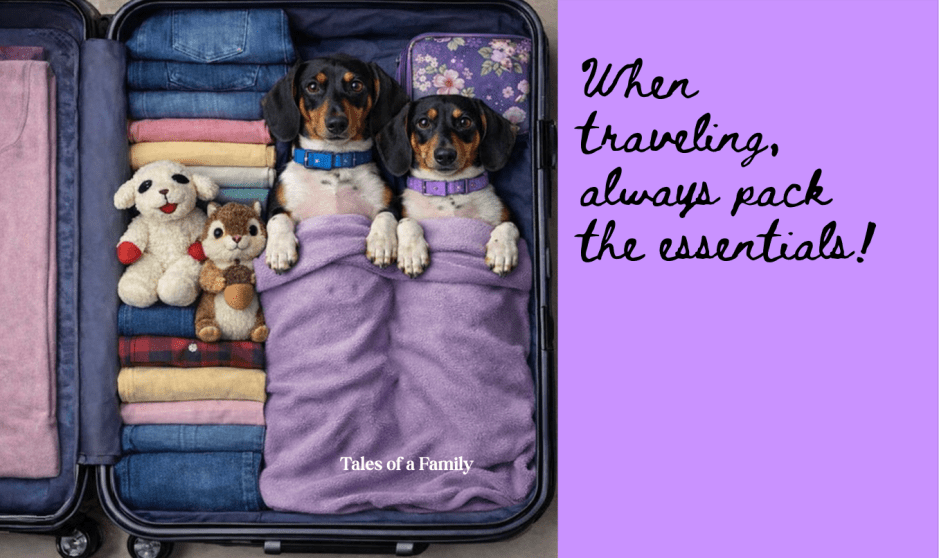
I don’t really say “no” all that often…unless it’s to things that interfere with my very serious life goals, like spending time with my pups. And honestly, if my dogs are involved, I’m probably going to say yes every single time.

Technically, I should be saying no to distractions, but when the distraction has floppy ears, tiny paws, and a look that says, “We deserve a vacation too,” all discipline goes out the window. At that point, it’s not poor decision-making; it’s goal alignment.

Because let’s be honest, my goals include happy dogs, scenic drives, and a little adventure. So when I pack them up and head out, I’m not avoiding my goals… I’m just prioritizing the furry ones.

The Night We Thought We Were Possessed

In 1973, The Exorcist thundered across the screen, frightening people across the country. Moviegoers had never witnessed anything quite like it. They whispered about it in the aisles of grocery stores, on city buses, and at school, as if talking out loud about this film might just conjure unexpected and unwanted evil forces. Some believed the movie was cursed; others thought it was real. And naturally, as a reasonable twelve-year-old, I decided I needed to see it.

At school, the movie had taken on a life of its own.

“I didn’t even get scared,” one boy bragged, which was code for he was absolutely terrified by the fast-paced film.

Another leaned and whispered, “Her head spins all the way around.”

Now, I didn’t know anything about possession, but I was fairly certain that it defied anything humans were designed to do. Still, I was mesmerized by the school banter and the press.​

My friend Tammy and I listened to every dramatic rendering, eyes wide and, in turn, wonderfully horrified by each event. As our curiosity grew, so did a dogged determination. We were committed; we were going to see that movie. There was only one obstacle – my mother.

“Absolutely not! I will not allow you to see this film.”  

She used HER voice. The one who would never allow her middle-school daughter to watch the most dreaded movie of all time. She had also witnessed the publicity on TV.

Still, I pushed, “But, Mom.”

She turned around and gave me “the look,” which I was pretty sure was even scarier than the scene where Linda Blair’s head rotated around her shoulders. I remember thinking, whatever was in that movie, I was now facing something much stronger.

Still, the wanting did not go away.

The next day after school, Tammy and I sprawled across her twin beds, plotting like two girls who had watched zero spy movies but felt very qualified anyway.

“What if you spend the night?” Her voice was giddy with excitement. “I’ll just tell my mom you have permission, and she’ll take us.”

But I had questions that rapidly fired in my twelve-year-old brain.

“What if we got caught?”

“What if someone saw us?”

‘What if my mom’s uncanny ability, the one that always seemed to sense the exact moment one of her chicks was about to step out of line, suddenly shifted into overdrive?”

“What if she somehow pieced it all together, guided by that eerie intuition and those sharp, almost unsettling maternal instincts?”

All sensible concerns. But then Tammy smiled. And I made the decision that every middle schooler makes at least once. With my heart pounding, I recklessly ventured, “Let’s do it.”

Early Friday evening arrived, and it was official. I was now living a double life. My dad dropped me off at Tammy’s place, completely unaware that his only daughter was defying orders and going rogue.

“Have fun,” he said.

Oh, I planned to. I leaned into the car window, kissed him on the cheek, and felt just enough of a pang of guilt to know I should confess every sin, but not enough to rethink my questionable plans for the evening.

Later, that evening, we found a parking spot near the theater. The dimly lit streets provided the perfect cover for our covert operations. And the soft lighting inside aided in our deceit. I held my breath, worrying that at any moment, one of my mother’s friends would discover my deception. To be safe, I kept my head down as we walked into the auditorium. When we found our seats, I sighed with relief.

And then it started; we tried to act brave. Calm. Mature, even.

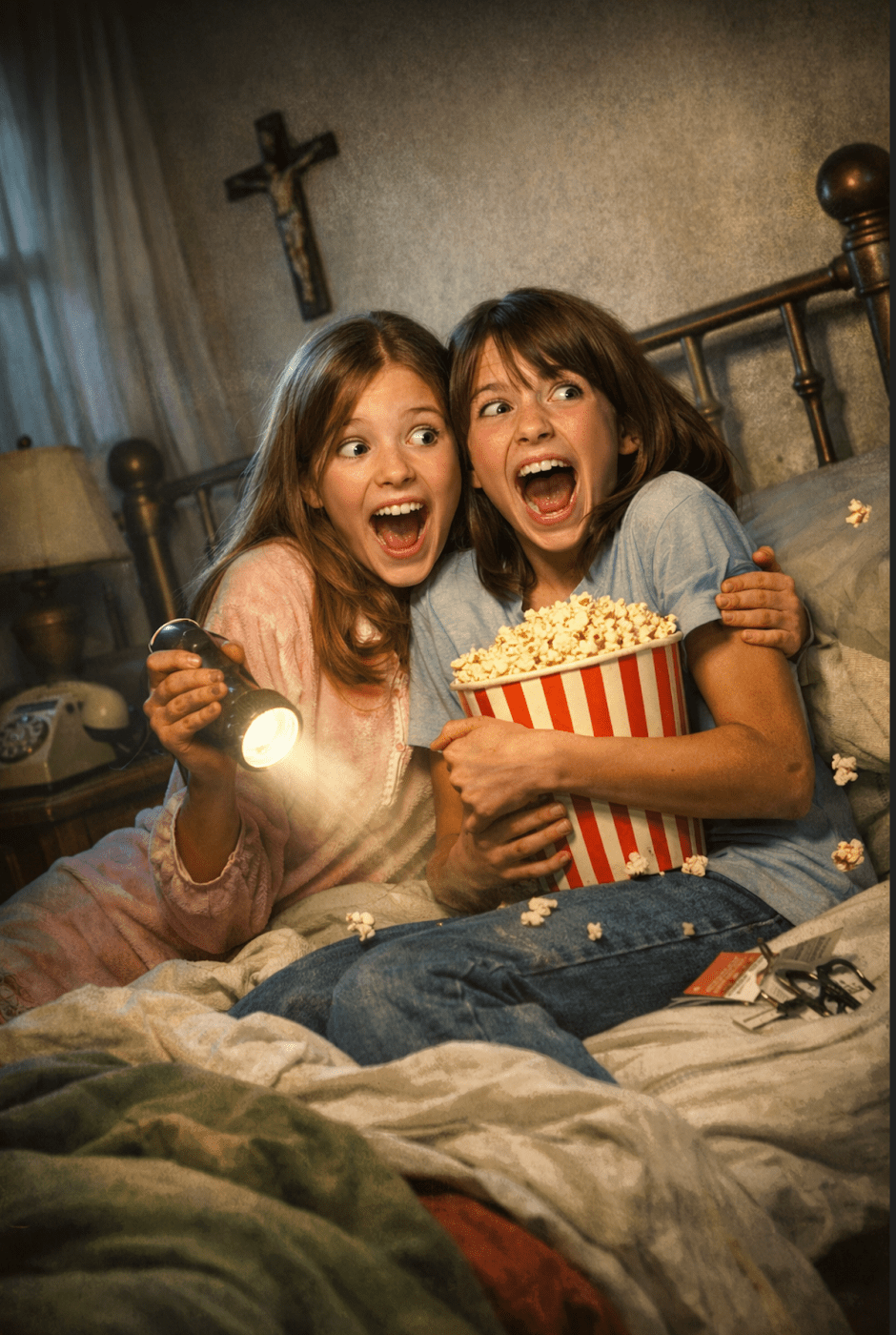
But then the bed started shaking, and we became extremely still, grasping the armrests with all of our might as if some evil force might tear us out of our seats at any moment. We didn’t talk; we held our breath. And we certainly did not eat the snacks purchased before we entered.

By the time the movie ended, I wasn’t sure what was more frightening: the movie or my questionable life choices.

The ride back to Tammy’s house was quiet–not a peaceful quiet either. More like we both witnessed something we weren’t quite prepared for-quiet. That moment when you realize you should have listened to your mother – quiet.

When we settled into her room, each of us tucked into the matching twin beds; we whispered like survivors.

“Were you scared?” Tammy asked.

“Yes. You?”

“Yes,” she slowly replied.

Without speaking again, we both knew we had made some questionable decisions, but eventually we fell asleep, with the lights on.

Sometime in the middle of the night, I woke up to the terrible realization that my bed was shaking. It was sliding across the floor like it had somewhere to be. And at that exact moment, every single scene from the movie flashed in front of me. I sat up, convinced I had crossed a line and was now facing the horrifying consequences.

Tammy woke up, too, and we both screamed as if the devil himself, along with his goon squad, were on the verge of attacking us. Horrified, we could see the terror on each other’s faces since the lamp, now shaking on the nightstand, was still turned on. We had refused to fall asleep in the dark.

Suddenly, the door flew open, and the overhead lights flashed as Tammy’s mom scrambled into the room. Her mother took one look at us and the errant twin bed and tried not to laugh.

“Girls, we just had an earthquake,” she explained.

Of course, an earthquake. Not possession. Not consequences. Not the beginning of a very terrifying tale. Just seismic activity.

Tammy and I looked at each other and started nervously laughing, a little shaky at first. Because honestly, when you’ve spent a moment believing hell had unleashed its fury, there’s really nowhere to go but laughter. That unhinged release of knowing that you are somehow still here and okay, well, for at least the moment.

The next day, I went home and told my mom everything. All of it. The deceit. The movie. The sleepover, and how the earthquake convinced me I needed to come clean.

She listened. She smiled, and then she began laughing uncontrollably.

I stared at her in utter disbelief. My mother was laughing at my harrowing confession. It was not just easy, carefree laughter, but a deep guttural belly laugh that made tears run from my mother’s eyes. It was the kind of laugh that held a moment of clarity. This would be one story I would hear about for years, even decades.

When she finally gained her composure, which took some time, I asked, “That’s it? You’re not mad, and I’m not grounded for life?”

On the verge of another fit of hysterics, she took a deep breath and smiled.

“Well,” she remarked, you did disobey.”

I waited.

“But, I think you were already punished.”

Then she added to make sure the lesson stayed with me, she raised an eyebrow and stated, “See what happens when you defy your Mother? God will get you.”

And with that, she started laughing again; tears and all.

That night I didn’t sleep well, not because of the movie, not even because of the earthquake. But because somewhere deep down, I wasn’t entirely convinced she was joking.

Even now, I can’t say what frightened me most, but I learned that night that some warnings are worth listening to… especially when they come from your mother.

The Last of the Great Horse Traders

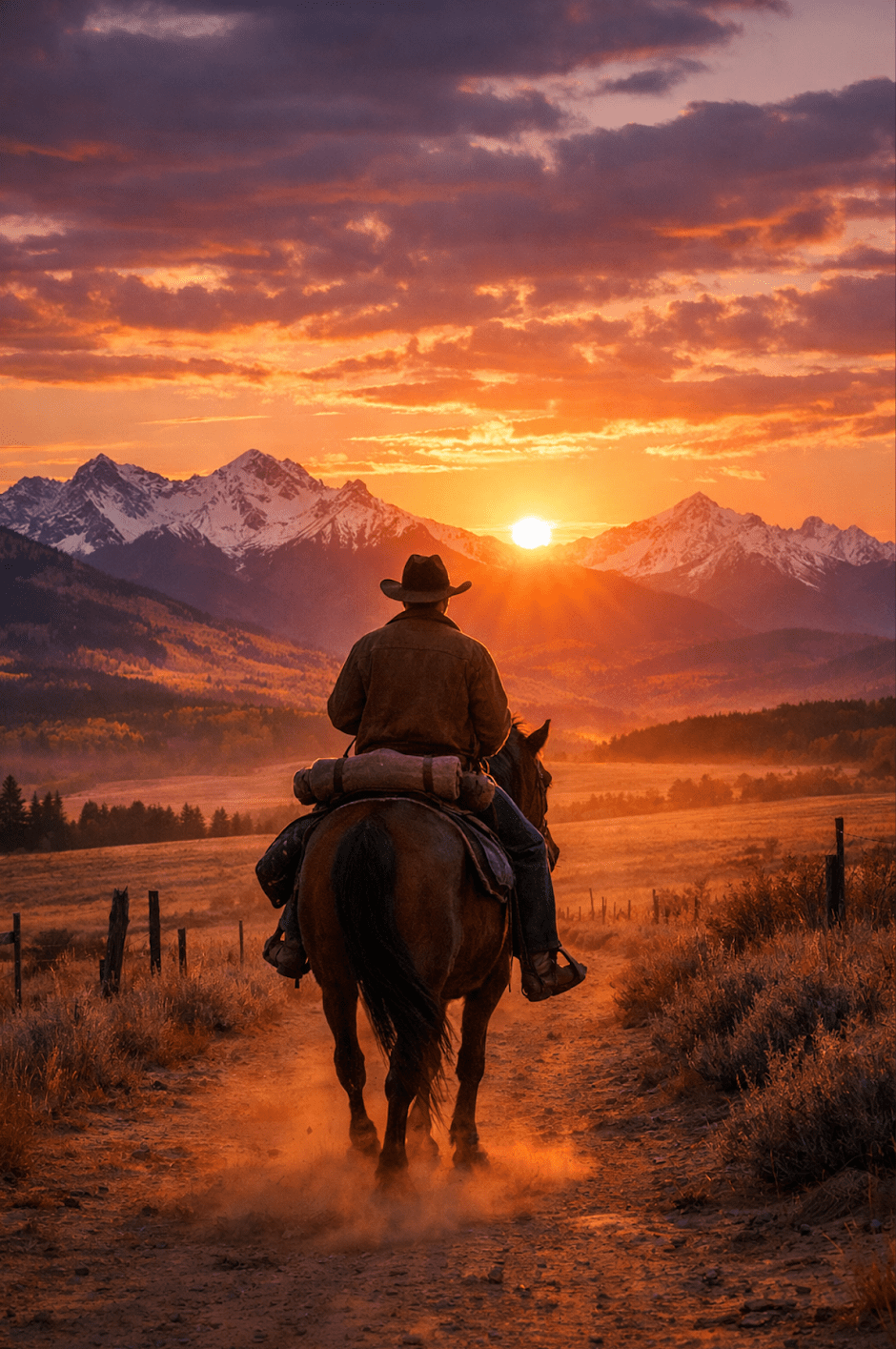
Over the years, I’ve heard countless stories about my grandfather, Tom Allen, and how he was one of the best horse traders around. In ranch country, that is no small reputation. A good horse trader needed sharp eyes, steady hands, and the kind of instinct that could read both horses and men.

According to the stories, Grandpa had all three.

My mom loved telling me about the days when she would watch him break horses on the ranch. She always laughed when she described it.

“He would swear like a sailor,” she’d say, shaking her head, “but he talked to those horses in the softest voice, just like he was speaking to a baby.”

That was Grandpa—half thunder, half tenderness.

As kids, my brothers and I loved sitting with him and asking questions about ranch life. We wanted to hear about sheep camps, life on the mesa, and especially the horses he had bought, traded, and trained over the years. Grandpa never seemed to tire of our curiosity.

One piece of advice he repeated more than once stuck with me all these years. “Never buy a horse with four white socks,” he warned. “They’ll have trouble with their feet.”

Funny how some words stay with you forever. Even funnier is the fact that I didn’t follow that advice.

Years later, I owned a horse named Beau, a stubborn mix of Arabian and Quarter Horse. He was jet black with a white blaze down his face and four bright white socks.

Sorry, Grandpa. And yes… Grandpa had been right.

Beau was a bit of a tenderfoot, and I had to watch his hooves carefully. But I loved that horse anyway. He had spirit and speed, and sometimes a mind of his own, especially when water was involved. Crossing streams often turned into negotiations.

Many times, I wished Grandpa had been nearby so I could ask him what to do. Once, remembering my mother’s story, I even tried talking to Beau the way Grandpa had talked to his horses. I leaned forward in the saddle and whispered, “Whoa, you son of a bitch.”

For some reason, it didn’t work nearly as well for me as it had for Grandpa.

Still, Beau and I had our adventures. When I helped friends round up cattle, he showed his cow pony instincts. I remember one day when we had a calf cornered. Everything was going perfectly until that calf suddenly wheeled around.

So did Beau.

The next thing I knew, I was sitting flat in the dust while Beau trotted over, lowered his head, and softly nickered as he nudged me with his nose, as if apologizing for the sudden change of plans.

I’m certain Grandpa would have laughed at my city girl ways, before telling me, “Well, girl, you’d better get back on that horse.”

One of my clearest childhood memories of Grandpa involves his saddle. One day I saw it after it had been freshly cleaned and oiled. The leather shone like honey in the sunlight, and the rich smell filled the room. I couldn’t resist running my hands over the smooth seat and worn stirrups. Grandpa caught me.

“Don’t mess with my saddle,” he scolded, though there was a hint of a smile hiding just below the surface.

That saddle was one of his prized possessions, worn smooth by years in the saddle and countless miles across mesas and mountains. Grandpa had spent a lifetime on horseback.

He even served in World War I, when the army at one point asked him to break horses for the cavalry. According to family stories, he wrote home asking them to send his saddle so he could do the job right.

Imagine that—my grandpa breaking horses for the United States Army.

After about six months he returned home with a broken ankle and a disability pension from the military. To this day I still think that is one of the most impressive things about him.

But Grandpa had loved horses long before the Army ever came calling. Family members said he could spot a good horse from a mile away. Besides raising sheep on the ranch, he traded horses for a living. And from all accounts, he nearly always came out ahead in those trades.

After Grandpa passed away, his nephew Paul Allen summed up Grandpa’s reputation in one simple sentence.

“Well,” he said quietly, “the last of the great horse traders is gone.”

I have missed my grandpa all my life.

There’s an old cowboy saying that goes, “Every horse deserves, at least once in its life, to be loved by a little girl.”

I believe that.

But I also believe something else.

Every little girl deserves a grandpa who spoils his grandchildren, tells stories about horses and ranch life, and never misses the chance to say how much he loves those “damned cute kids.”

Because long after the horses are gone and the saddles hang silent, a cowboy’s greatest legacy is the love that keeps riding through the hearts of the generations he leaves behind.

Goun Girl Adventures

Barbara Lesesne Medlock has been my dear friend—my chosen sister—since sixth grade. Some friendships grow slowly over time, but ours burst into being with all the force and drama of a summer thunderstorm. From the very first day, I knew Barbara was not someone easily forgotten.

She made certain of that herself.

On her first day at Chipman Middle School, Barbara, who was small in stature but mighty in spirit, had barely settled in before one of the school’s biggest bullies decided to make her his target. He took one look at her face, sprinkled with freckles, and sneered, “Freckles.”

Now, he probably expected her to shrink, blush, or slink away. Instead, this pint-sized tornado reached for an extra-large pencil and broke it over his head.

Just like that, Barbara made her mark.

I honestly do not remember whether I gasped, laughed, or simply stood there in awe, but I do remember this: from that moment on, I knew she was my kind of person. Fierce, funny, fearless, and completely unwilling to let anyone define her. We became best friends in sixth grade, and somehow, all these years later, we still are.

Over time, our friendship deepened into the sort of bond only girls can create—the kind woven from secrets, shared adventures, late-night laughter, and an unwavering certainty that we belonged in each other’s lives. At one point, we decided ordinary friendship was not enough. We needed something more official, more dramatic, more eternal.

We became blood sisters.

One warm night, Barbara and I slept out in my backyard. My father had set up a camp stove, and after we had roasted marshmallows and made s’mores, we lay there talking under the night sky, saying all the things girls say when the world feels wide open and sleep seems far less important than conversation. Somewhere in all that chatter, one of us—I truly cannot remember which—brought up the idea of becoming blood sisters for life.

At the time, it sounded not only reasonable, but profound.

So I slipped quietly into the kitchen and found a sharp knife. That detail now makes me cringe, but at eleven or twelve years old, it felt wonderfully serious and ceremonial. Once I returned to the backyard and settled beside Barbara, we each took a turn slicing our thumbs. Then, pressing our bleeding thumbs together, we made our solemn oath.

Blood sisters for life.

There was no going back after that.

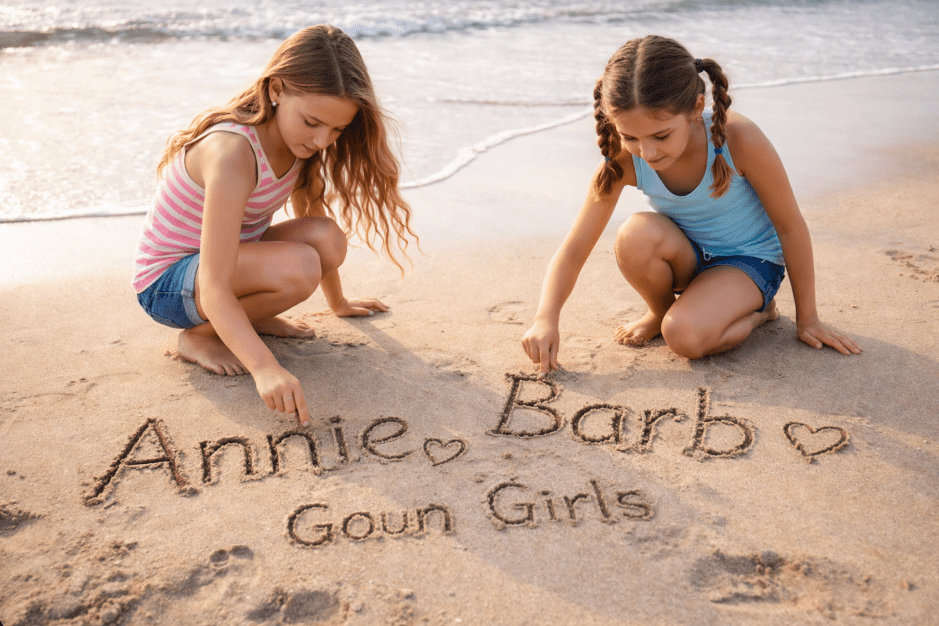
We also called ourselves “The Goun Girls.” To this day, I am not entirely sure who came up with the name, though I know Barbara handled the spelling. Why “Goun”? I cannot say. Maybe it made perfect sense at the time, the way so many childhood things do and then never quite translate into adulthood. But to us, it was grand and official, a name that belonged to our private world. And the Goun Girls were inseparable.

After school, our little island became our kingdom.

Barbara and I wandered all over Alameda, turning ordinary afternoons into adventures. We walked along the shoreline, writing our names and messages in the sand as if the tide itself ought to remember us. We played beneath the pine trees at Crown Memorial State Beach, where the filtered sunlight and salty breeze made the whole world feel full of possibility. We were regulars at Woodstock Park, Washington Park, and Ballena Bay Isle, always pedaling or walking toward some new destination, never in much of a hurry, certain the island belonged to us.

We rode our bikes everywhere. To distant parks. To the beach. To my grandparents’ house, where we could usually count on a cold glass of water and a brief rest before heading off again. Those rides gave us freedom in the way only childhood can—when the map of your world is still small enough to cross on two wheels and large enough to feel like a grand expedition.

Of course, not all our adventures were wise ones.

One day, in a burst of courage, foolishness, or both, we decided to ride our bikes through the Posey Tube to Oakland.

Even now, writing that sentence makes me shake my head.

The Posey Tube, an underwater tunnel connecting Alameda to Oakland, was no place for two young girls on bicycles. Once we entered, we quickly realized just how bad an idea it had been. The sidewalk was narrow. The railing offered no real chance to turn around. Cars roared by in a deafening rush, and the tunnel seemed to swallow the sound and throw it back at us. The air was thick with exhaust fumes, hot and heavy and sickening. What had felt like an adventure just moments before turned into pure misery.

We were trapped.

There was nothing to do but keep riding.

I remember the noise most of all—the constant thunder of traffic—and the smell, that awful choking smell of auto exhaust that clung to the air. My stomach rolled with nausea. My head pounded. I felt sure I might faint, throw up, or both. Barbara and I pedaled on, determined and miserable, praying for the sight of daylight ahead.

When we finally burst out into fresh air in Oakland, we were never so happy to breathe in our lives.

But the relief lasted only a moment.

Because then we had to face the obvious truth: we were in Oakland, and the only way home was back through the tunnel.

Our eleven-year-old brains, though clearly lacking in foresight, managed at least that much understanding. So after catching our breath, we turned around and did the unthinkable all over again. We rode back through the Posey Tube, through the noise and the fumes and the misery, desperate to return to the safety of Alameda and swearing silently that if we survived, we would never do anything so stupid again.

When we finally emerged on the Alameda side, we gulped in the fresh air as if we had been underwater for hours. We were pale, exhausted, and more than a little shaken. We did not need anyone to scold us. The pounding headache from those fumes felt punishment enough. Right then and there, we agreed on the most important part of the adventure:

We could never tell a soul.

But as any parent will tell you, children are rarely as clever as they imagine themselves to be.

Somehow, the story came out. It always does.

And though this happened more than fifty years ago, Barbara’s mother still tells the tale with the same mix of horror and disbelief, as if we rode through that tunnel just last week. I know in my heart that if my own mother were still here, she would still be scolding me for it. Never mind that Barbara and I are now grandmothers ourselves. Some childhood offenses, apparently, have no statute of limitations.

Looking back, I see now what a wild and wonderful gift that friendship was. Barbara and I shared the kind of childhood that cannot be recreated—full of scraped knees, bad ideas, laughter, fearless loyalty, and the sweet freedom of growing up on a little island where two girls with bicycles and imagination could feel as though the whole world belonged to them.

And through all the years, through the seasons of growing up, marriage, motherhood, and now grandmotherhood, Barbara has remained one of the dearest people in my life. More than fifty years have passed since that first day at Chipman Middle School, when she defended herself with a pencil and won my admiration forever. Time has carried us far from those sandy shores and neighborhood parks, but it has never undone what began there.

Some friendships are stitched so tightly in youth that time only strengthens the seam.


And I can’t help but wonder—given the things Barbara and I once got into—can two grown grandmothers still get grounded?


The verdict is still out.

My Ornery Cowboy Grandpa

When I think of my grandfather, I think of boots.

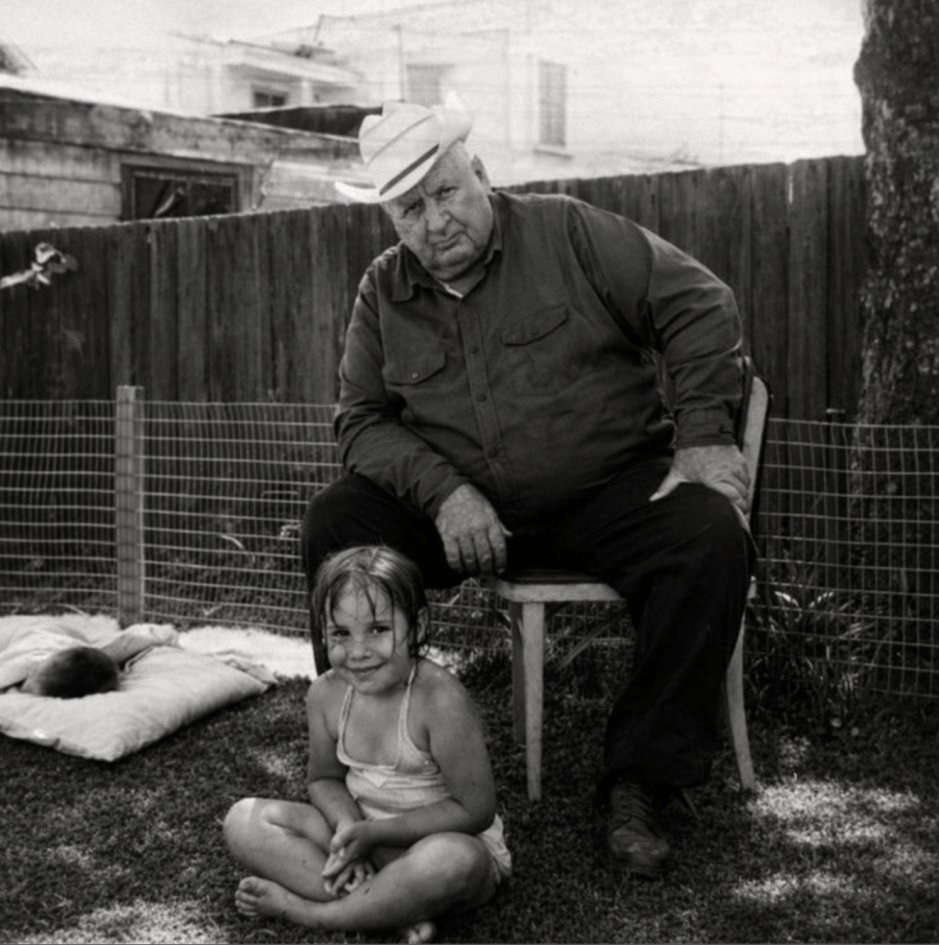
I hear them before I see him, that unmistakable, heavy rhythm of cowboy boots crossing a floor, steady and sure, followed by the deep rumble of his voice rolling through the house like distant thunder. Even now, all these years later, I can still summon him in an instant: the broad-brimmed straw hat, the crisp western shirt, and the worn boots that seemed as permanent a part of him as his hands or his laugh. Before I remember that he died when I was fourteen, I remember how fully he lived in a room.

By the time my grandfather passed away, our family and my grandparents were living in Alameda, California, a long way from Hotchkiss, Colorado, the place he thought of as home, no matter what address appeared on an envelope. California may have held him captive, but Colorado held his heart. He carried it all with him, his family, the ranch country, the sheep, the horses, the hard weather, the wide-open spaces, and the stories that rose from that land as naturally as dust from a dry road. Through him, Hotchkiss never felt far away. He brought it to life every time he spoke.

He was a large man in every way that mattered. As a child, I thought he was six feet or more in all directions—broad-shouldered, big-chested, thick-handed, the sort of man who seemed carved out of something sturdier than ordinary flesh. His hands looked capable of moving mountains or lifting fence posts or steadying a frightened child with equal ease. His voice was deep and booming, the kind that could command attention without ever asking for it. Even his silence had weight.

To me, he was the very definition of a cowboy. Not a polished, movie screen cowboy, but the real thing, rough around the edges, sunbaked, practical, and a little intimidating until he smiled. He dressed in cowboy clothes every single day because that was simply who he was. There was no costume to it, no performance. The hat, the Western shirt, and the boots, those things were as natural on him as skin. He did not put them on to become a cowboy. He wore them because he had never been anything else.

And oh, I adored him.

For all his size and gruffness, Grandpa had the softest heart for babies and grandkids. He was not sentimental in the syrupy sort of way. He did not fuss. He did not coo. But love lived plainly in him, tucked beneath all that bluster. When we were small, he sometimes watched us for my mother, Dotty. There was, however, one task he met with visible suspicion, diaper changes.

The dirty diaper itself was not the problem. He could remove that offensive thing with determination and only a measure of disgust. It was the clean diaper that brought him to a standstill. In those days, diapers were fastened with pins, and the very idea of jabbing a squirming baby with one was enough to unnerve him. So, rather than risk injury, he devised his own solution. He would layer two or three pairs of training pants on the baby and then pull plastic pants over the whole operation, as if engineering some kind of fortress against disaster.

Problem solved.

That was Grandpa’s way. He did not always do things the conventional way, but he nearly always found a way that made sense to him. Looking back, I think that was one of his gifts: he met the world on his own terms and expected the rest of us to keep up.

Visits to Grandma and Grandpa’s house followed their own sweet, dependable ritual. He greeted us with tight hugs, scratchy whisker kisses, and that great booming laugh that made you feel as though you had entered a place where joy was allowed to take up space. And there was always money. Somehow, before we left, he made sure there was change jingling in our pockets or a folded bill pressed into our hands. Love, according to Grandpa, ought to send a child home with a little spending money.

Then came the moment we both dreaded and loved.

In a raspy, exaggerated baby voice that was half teasing and half tender, he would grin and say, “You’re a damn cute kid.”

That was our warning.

Because right after those words came the cheek pinch.

Not a gentle tap. Not a fond little pat. A real pinch. The kind that made you squeal and twist away and laugh even while you protested. We learned to anticipate it. We ducked and dodged and tried to escape, but Grandpa was fast, faster than a man his size had any right to be. He almost always got us. To this day, I maintain that if any of us grew up with chipmunk cheeks, it was because Grandpa stretched them that way one affectionate pinch at a time.

Then there was the Jeep.

For a while, Grandpa owned an old green Jeep, and he drove it like a man who believed speed limits were merely suggestions made for lesser souls. My parents warned us repeatedly: never go anywhere with Grandpa if he were driving. Never, ever. The instruction was clear, serious, and often repeated, which of course only gave it the electric appeal that forbidden things have for children.

By then, we already understood one of the central truths of childhood: what happens at Grandma and Grandpa’s stays at Grandma and Grandpa’s.

So yes, we rode in the Jeep.

I can still imagine the jolt of it, the way my stomach leapt as he tore out of the driveway, the wild swing of a turn taken too fast, the thrilling terror of tearing through a parking lot as though it were part racetrack, part rodeo arena. Riding with Grandpa felt like trusting a storm with a steering wheel. It was reckless and hilarious and a little bit glorious. We held on and hollered and lived to tell the tale, though not, of course, to our parents.

My sweet grandmother worried over those escapades far more than we did. She feared my parents would find out and put an end to our sleepovers, as though those overnight visits were something fragile that might be snatched away. But nothing could have kept us from that house for long. It was one of the anchoring places of my childhood, full of stories and teasing and warmth, where love wore cowboy boots and laughed loudly and pinched your cheeks hard enough to leave a mark, on our hearts anyway.

What I miss most now are the ordinary wonders of him. I miss the booming way he told stories about the ranch, the family, the horses, the sheep. He could make a memory sound like legend. He could take the raw material of daily life and shape it into something worth leaning in to hear. In his telling, Hotchkiss was not just a town. It was a world. The ranch was not just land. It was inheritance, labor, identity, and love. Through his stories, he handed that world down to us.

As a child, I thought he would always be there, always filling a doorway, always laughing too loud, always wearing that hat, always ready with a coin, a story, or a pinch to the cheek. I did not yet understand how quickly the people who seem larger than life can become memory.

He died when I was fourteen, which now seems far too young an age to lose a grandfather like him. At fourteen, you still believe there will be more time. Another visit. Another story. Another chance to hear his boots coming across the floor. You do not yet know how suddenly a voice can vanish from the world and still echo inside you for the rest of your life.

I would give so much to hear him one more time. To hear that deep voice soften into that raspy little baby talk. To see the grin spread across his face before he said, “You’re a damn cute kid.” To brace myself for the pinch I once tried so hard to avoid.

Funny thing is, I think I understand now what I never understood then. The cheek pinch, the Jeep rides, the coins in our pockets, the stories, the laughter—those were his ways of loving us. Big, unruly, unforgettable ways.

And maybe that is why I have come to love my chipmunk cheeks after all.

They are not just mine.

They are where my grandfather left his fingerprints.

The Heart of a Thursday Morning

Some days are just meant for remembering, and today was one of those days.

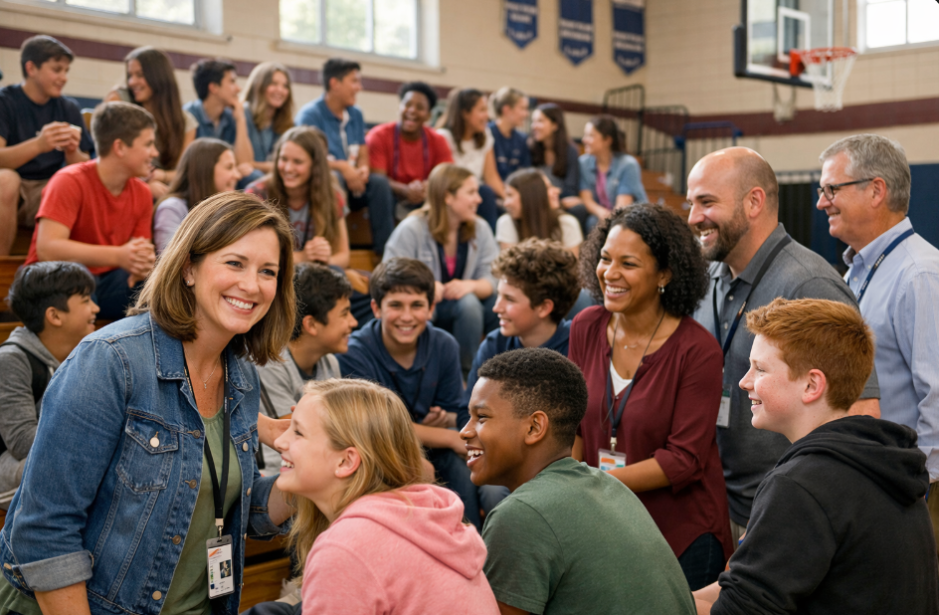
It started as a typical Thursday at the end of the month. My eighth-grade homeroom class met in the gym for our monthly meetings.  During this time, we make class announcements, give class reminders, name a student of the month, and give shout-outs to students, recognizing them for various accomplishments or acts of kindness.

This morning, as I walked into the gym, we had the usual chatter and laughter, along with the endless energy of middle school students. As the kids quieted, and a hush settled over the auditorium, one teacher reminded students that if their grades were not passing, they would not be able to walk in the eighth-grade graduation.  Another teacher, in fun to lighten the mood, said, “Don’t disappoint all the MeeMaws.”

Since I stood in front of the bleachers and am known as the granny at the school, I smiled and pointed to myself. Right away, several of the boys laughed and shouted, “We got you, Ms. B!” Their words were playful, but I knew they meant it. That small gesture touched me. One sweet moment, just a few seconds in a normal school day, meant the world to me.

It reminded me how quickly this year has flown by and how much my students mean to me. Months ago, these students walked into eighth grade, unsure and wide-eyed, and now they are about to start high school, standing a little taller and a little more confident. Moments like these remind me of the importance and the joy of building relationships with these youngsters. While lessons, grades, and standards all matter, it’s the connections that truly last.

As the years fly by and retirement approaches, my heart and mind wrestle with this decision. Teaching has always been the most difficult job I have ever had. It takes patience, resilience, compassion, and lots of humor. But it’s also been the most rewarding job I have ever had.

When I look at all these faces, so full of personality and potential,  I know I have been blessed to work with some incredible students.  I love their hearts. I love their stubborn determination. I love how they support each other, even when they act like they don’t care. And I especially love their hopes and dreams for their futures.  Hopes and dreams that will shape our future, too.

If mornings like this are any sign, our future is in good hands.

Mothers and Daughters

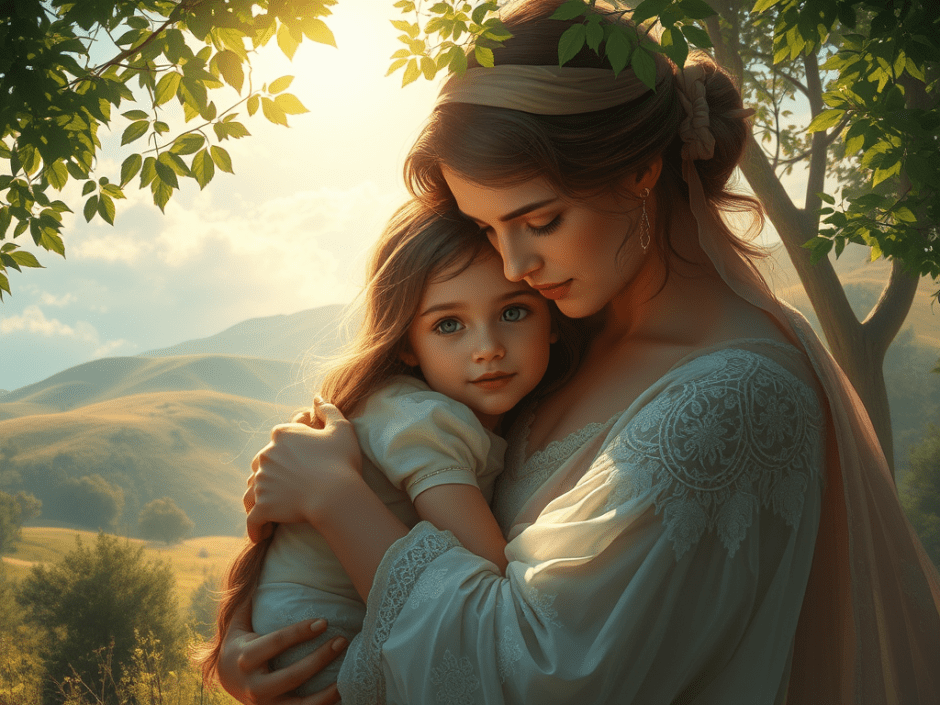
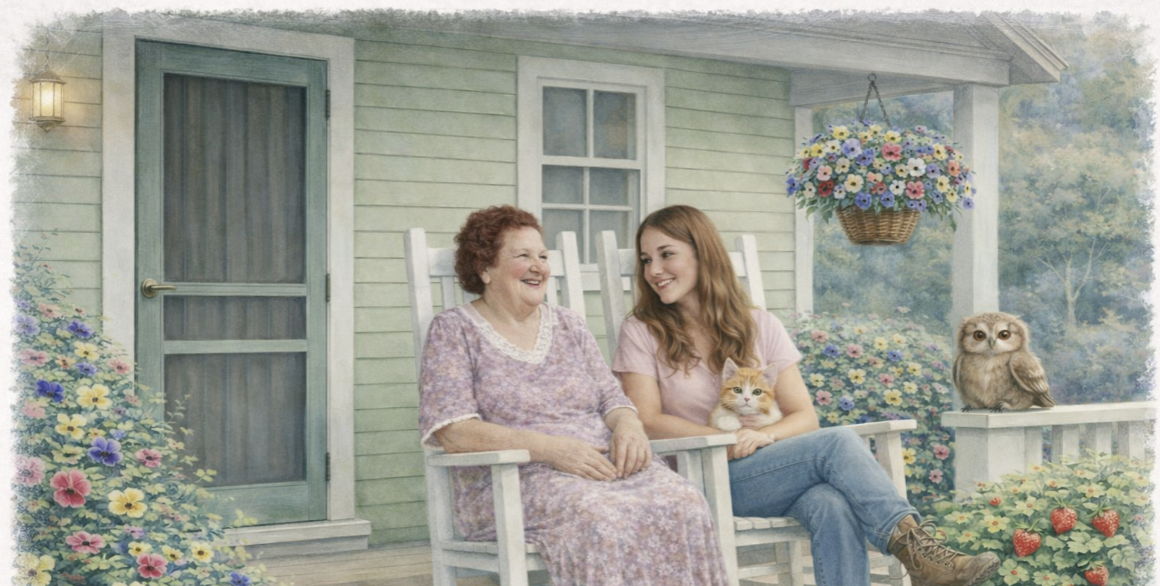
You should still be here, but silence lingers; your laughter is a distant memory, a mischievous sense of humor, contagious and warm. Your joy spread easily, laughing until you cried at the antics of one of your sons. Miss the advice, even the unwanted, to hear your voice one more time. The hugs…tender, with a wisp of dark roast and cream. Love’s simple lessons and family tales. I share them now so we will never forget you or your love. Truth be told, I see you every day in the clouds, among the crowds, and in a child’s laughing face. I hear you whisper in the gentle breeze when aspens tremble and buntings sing. You are not where you were, but you are everywhere I am. I find you in the hush amid heartbeats, inside the stillness before sunrise, and in the silent moments of my journey; I feel your presence.

I Hated Ants!

When I was a toddler, I lived in Hotchkiss, Colorado, my Momma’s hometown. It was a close-knit little town where everyone knew each other, and neighbors weren’t strangers; they were part of daily life.

During that time, we lived on Bridge Street, one of the town’s main thoroughfares, next door to a mechanic. Most weekends, he and his friends could be found in his garage, working on cars, swapping stories, and filling the air with the sounds of engines and laughter. But it also had a dark side. Soon,that garage became the unlikely ground zero for some of my earliest toddler mischief.

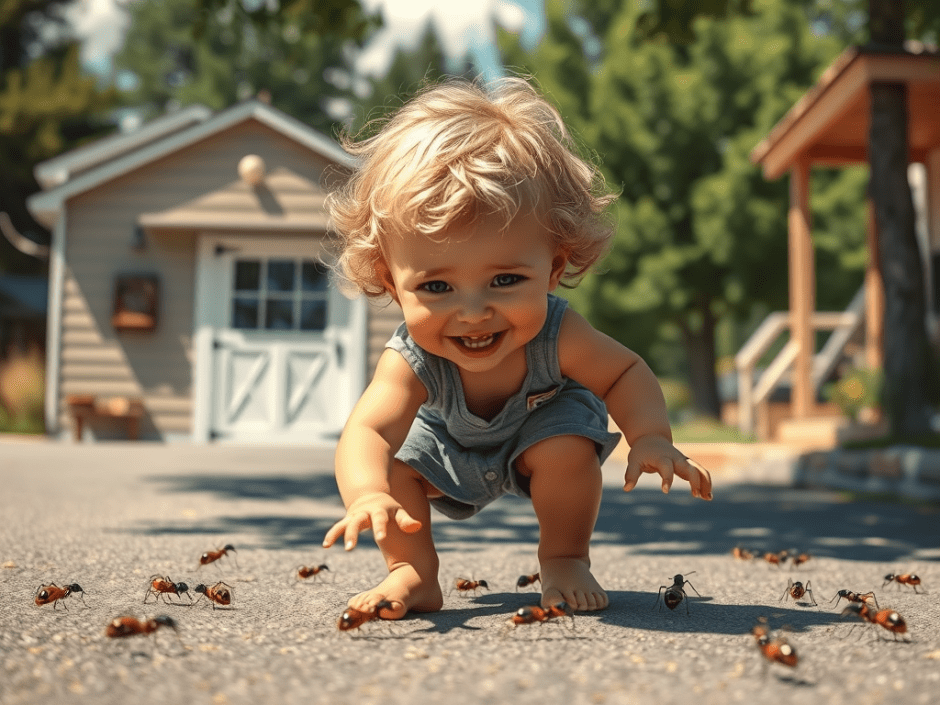
For reasons no one could quite explain, his garage attracted ants; legions of them. It was probably due to spilled soda, leftover lunches, or some mysterious automotive potion that lured the insects inside. Each day, the ants formed a formidable marching line, streaming up the driveway and straight into the open garage like a tiny invading army. Every day, the mechanic and his friends could be seen stomping on the relentless invasion, swatting and muttering their exasperated war cry: “Damn ants.”

According to Momma, it didn’t take long for me to follow suit.

My parents and grandparents often witnessed their curly-haired girl out on the sidewalk, stomping and jumping with fierce determination, pointing at the pavement, and screaming at the top of her lungs, “Damn ants!” My conviction and my performance caught the attention of passing neighbors and the men in the garage. My audience laughed, amused by my antics. The passing admiration only fueled my enthusiasm. My daily performances grew louder, more dramatic, and more frequent. While slightly amused, my parents didn’t want their oldest child loudly cursing in front of all the neighbors, so they tried to make light of the situation. Hoping against hope, my loud hijinks and daily productions would quickly disappear. I can’t really blame them; my first curse words weren’t exactly a milestone they wanted to celebrate.

As if that weren’t enough, I soon developed another “dirty” habit: I liked to eat soil.

The moment Momma turned her back, I would find a corner of ground, dig in with my little hands, and satisfy my strange new craving. She would scoop me up, carry me inside, wash my face, and carefully clean my mouth with a wet washcloth, an experience I did not enjoy. Still, as moms everywhere do, she found a simple and brilliant solution. Calmly, she told me that ants lived in the dirt.

Her story worked.

Momma said my reaction was instantaneous and theatrical. My face, she said, showed shock and total revulsion. Once I knew that ants lived in the dirt, my hankering for all things earth and loam disappeared. My deep-rooted disgust for ants crushed my cravings and cured my strange fondness for soil, and just like that, the dirt-munching phase ended.

Time passed, and as Christmas approached, a package arrived from my mom’s sister, Barb. She had wrapped a gift for her niece and topped it with an adorable tag featuring a rosy-cheeked Santa.

But there was a problem. She signed it: Love Aunt Barb.

To a toddler who hated ants with an absolute passion, “aunt” and “ant” sounded like the same repulsive critter.

Momma said that when she told me the present was from my aunt, I made a disgusted face, hurled the package across the room, and shouted with full conviction, “Damn ants!” It took a great deal of convincing to get me to finally open my Christmas present, and even more effort to explain the difference between an aunt and an ant, a concept that took time to fully understand.

Now, remembering those stories still makes me smile. I always loved the tales Momma shared about my early years, especially the ones filled with humor and just the right amount of shenanigans. She even saved that little Santa gift tag, now safely tucked away in a box of Christmas treasures. It’s a sweet keepsake and a reminder of family stories, childhood misunderstandings, and how the smallest moments often become the most beloved memories.

The Christmas Doll

Daily writing prompt
Describe an item you were incredibly attached to as a youth. What became of it?

One afternoon, while I was playing with a neighbor, she proudly showed me a gift she had received, a Madame Alexander Pussy Cat doll. To my eight-year-old eyes, she was the most beautiful baby doll I had ever seen. She looked almost real. Her cheeks were chubby and rosy, her little arms and legs were soft and round, and tiny dimples marked her knees. Her eyes opened and closed, and when you tipped her just right, she said mama. She was perfect. I gushed over her, telling my friend Kim how beautiful she was and how I couldn’t wait to go home and tell my mom about her.

That excitement didn’t last long. Kim’s mother overheard our conversation and explained that the doll was very expensive and that my family could not afford such a luxury. I remember the sting of disappointment, but even at that young age, I understood something important. Family mattered more than material things. My mom always found ways to make our childhood feel special and magical, even without expensive gifts. What she gave us, love, attention, and imagination, was worth far more than any doll.

But moms have a way of creating their own quiet magic.

I’m not sure how my mother found out that I wanted that doll, but somehow she did. Without a word to me, she asked my dad to take her to a nearby toy store that carried Madame Alexander dolls. There, she put my doll, who would later be named Amy, on layaway. Month after month, she faithfully made payments until the doll was paid for in full. It was a labor of love I never noticed at the time.

On Christmas morning, I tore open my gift and froze. There she was, my very own Pussy Cat doll. I remember holding her close, hardly able to believe she was really mine. In that moment, I felt only the magic, not the sacrifice, planning, or quiet determination that had worked behind the scenes. Amy became an instant treasure, one that stayed with me through the years.

As an adult, I now understand what that gift truly represented. My mother wanted her only daughter to have something special that Christmas, and she was willing to sacrifice to make it happen. My Momma was, and always will be, a miracle worker in my eyes.

I still have my little Amy doll to this day, a reminder that she was never just a toy, but a symbol of my mother’s deep devotion. That little doll represents the kind of Christmas magic only a mother’s love can create.

Acceptance

Daily writing prompt
What is the greatest gift someone could give you?

Acceptance

Gifts come in all forms, yet if I were to receive the perfect gift, it would be acceptance. To be accepted without judgment would truly feel heaven-sent. Acceptance is the quiet reassurance that you are enough just as you are, without needing to prove, hide, or explain yourself.

Acceptance offers the receiver the ability to breathe freely and feel comfortable among others, without the fear of criticism or reproof. It is an understanding that none of us are perfect, and that those who care for us act with good intentions, hoping for the best in our lives. When someone accepts you fully, they acknowledge your strengths, your flaws, your history, and your hopes, and they choose to stand beside you anyway.

Acceptance means knowing you belong, imperfections and all. It offers hope, peace, and unconditional love. It frees you from the weight of jealousy, comparison, or the irrational worries that others may misunderstand you. The people who offer this gift truly understand you. They know your heart is good, and they recognize that you genuinely want the best for them as well.

Acceptance strengthens family ties and deepens friendships. It brings security, trust, and emotional safety into relationships. When you know you are accepted, you can show up as yourself, without masks, without fear, because you are valued simply for being who you are.

This gift bonds people together and creates joy in every interaction. It fosters patience, kindness, and compassion. Acceptance is thoughtful, grounding, and profoundly meaningful. It is, without question, the perfect present for anyone who wishes to live a life rooted in peace, love, and understanding.