


Home Was an Island
My Alameda home was an island cradled in the heart of the San Francisco Bay. Early mornings arrived wrapped in mist, with dew-drenched lawns glistening under a shrouded sun. Foghorns called to early risers, their deep voices echoing across the water. Seagulls swooped low along the sandy shore, their cries sharp and restless. The Painted Ladies—the grand Victorian homes—stood in delicate silhouette, their ornate facades veiled in shifting shadows, waiting for the morning’s first light to part the clouds and unveil their regal splendor.
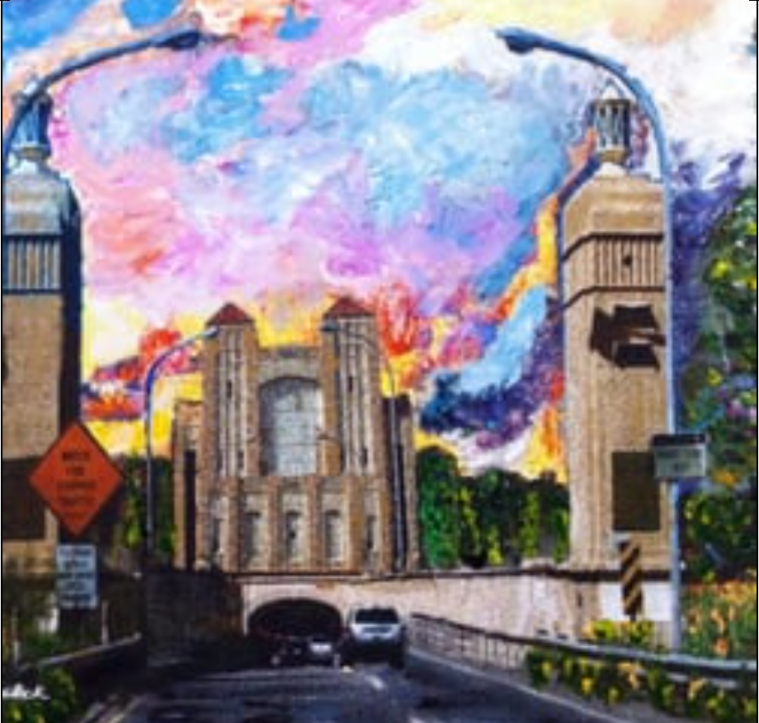
As the sun ascended, golden light spilled across rooftops, chasing away the last remnants of fog. The island stretched from her slumber, stirring to life in the familiar rhythm of a new day. Streets buzzed with commuters, eager to escape before the morning rush turned escape into entrapment. Webster Street swelled with the flow of cars, only to bottleneck at the Posey Tube, where brake lights flickered in frustration. Here and there, a horn sounded—a small protest against the island’s slow-moving exodus.
Children, oblivious to the urgency of grown-ups, ambled toward school, laughter spilling into the crisp air. They called out to friends, made plans for recess, and eagerly claimed dibs on the red rubber balls that bounced and smacked hard against the asphalt. Hopscotch squares waited to be leaped upon. Jump ropes twirled in double-dutch rhythms. Four square battles began with quick feet and faster hands, all while the sea whispered just beyond the playground fence.
Classrooms perched too close to the water’s edge, tempting young scholars into daydreams. Eyes drifted from textbooks to distant sailboats, their sails skimming across the horizon. The scent of salty air slipped through open windows, mingling with the scratch of pencils and the hum of restless minds. Afternoon bells signaled the countdown to freedom. Tick. Tick. Tick. Until at last, the doors burst open, and children poured into the streets, running toward the adventures that awaited them beyond the schoolyard.
They raced home along tree-lined avenues, where oaks, pines, and palms stood as silent sentinels to their childhood. Home, then play. But where? Sandy beaches and tide pools at Crab Cove? The grassy fields of Woodstock or Longfellow Park? Daisy chains and whispered secrets, or a game of baseball with the boys? The possibilities stretched as wide as the bay itself—at least until Dad came home, dinner was served, and dishes were washed under the warm glow of the kitchen light.
Evening arrived with the hush of twilight, and the island settled into its nightly rhythm. Across the bay, city lights twinkled like fallen stars, their reflections dancing on the darkened water. High in the Oakland Hills, the temple stood like a beacon, its soft light reaching toward the heavens. The murmur of television sets blended with the distant hum of cars along Pacific Avenue, their sounds weaving a quiet lullaby through the avenues.
And as the music of the island played on, tired children, worn from the joys of an afternoon well spent, drifted into dreams—dreams of another day, another adventure, another sunrise over the misty shores of home.


 Tales of a Family