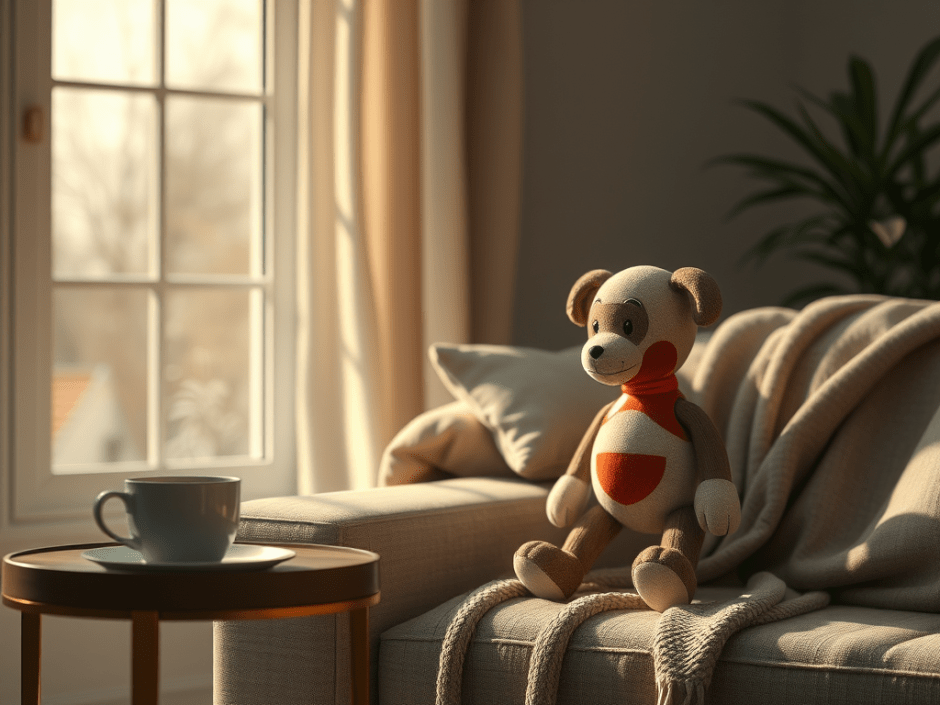

“I hate this stupid thing, and I’m sending it back!”
Sigh. My first “real” cell phone was a nightmare—I hated being stuck with that new contraption. In the past, I’d used inexpensive flip phones on vacation, paying only a modest monthly fee. They were simple, nothing fancy, and often I’d keep them just until I eventually forgot about them and stopped paying the bill.
And oh the horror! Once, some of my eighth graders joked that I must be a drug dealer because I carried a burner phone. I just shook my head, gave them the “look,” and remarked, “You watch too much TV.” Back then, I had no desire for a phone glued to my hip 24/7. I believed phones belonged on the kitchen wall—safe from loss and easy to ignore—and I never worried about leaving home without one.
Still, nearly two years ago, circumstances shifted. My sweet daughter insisted it was time for me to get a phone—or else she’d get me a life alert. I wasn’t thrilled; Still, I even imagined the fun I could have if firefighters showed up every time I pressed the alert button. But Leslie reminded me that, eventually, they’d send the sheriff. Total buzz kill. Reluctantly, I accepted that it was time for this dinosaur to step into the 21st century. I didn’t have to love it, though, and to add insult to injury, my new smartphone proved to be much smarter than I was.
My family and my students laughed at my early struggles, yet they also helped this Grammy navigate the strange device. Despite the initial hiccups, I eventually grew to like—and even love—my phone, just a little.
I mean who wouldn’t appreciate having a camera at the ready or the ability to listen to audiobooks on a whim? And forget about traditional alarm clocks—the one on my phone is far more convenient. I now navigate road trips with ease, and with a single tap, my favorite tunes are ready to accompany me on drives or workouts. Of course, I love receiving texts from my kids, and, dare I say it, my phone has become a trusted sidekick. After all, nobody puts Baby in the corner—or in this case, back on the kitchen wall!
Running to the end of the pier, the two girls giggled with delight. The sun shimmered on the bay, casting a harsh glare, and Amy wished she had brought her sunglasses. Barb’s large straw hat shielded her face, but she still worried about new freckles appearing across her cheeks and the bridge of her nose. Seagulls squawked in protest and flapped away from the pier’s edge as the girls approached. With a shared grin, they kicked off their flip-flops, Barb dropped her hat, and the pair leaped into the cool, inviting water.
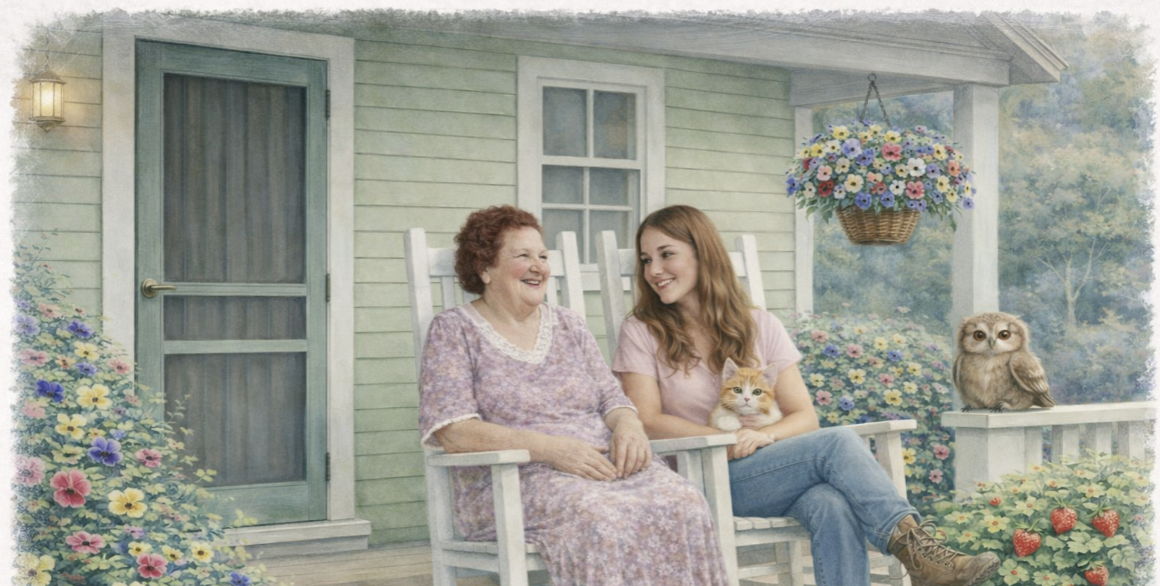
Axel’s sudden bark jolted the grandmother from her thoughts, and she laughed as she watched him chase a squirrel. But as she settled in her rocker, her mind drifted back to that island memory—when she and her little sister had played in the San Francisco Bay, a lifetime ago.
“If you truly forgave me, you’d let me come home. I miss my family.”
She sighed. His text unsettled her, putting her on edge. She had no desire to revisit his demands. Life without him was peaceful and relaxing—something she hadn’t realized until their split and his deceit. She hadn’t understood just how much effort went into meeting his outrageous expectations. Friends and family even commented on how much more relaxed and composed she seemed. Her soon-to-be ex was high maintenance, to say the least.
The ping of a new text interrupted her thoughts.
“Well, are you still there?”
Annoyed, she rolled her eyes but suddenly found herself laughing. Remembering the bumper sticker her mother had shown her just a few days ago, she began typing her reply:
“Never get jealous when you see your ex with someone else because our parents taught us to give our used toys to the less fortunate.”
After hitting send, she reminded herself she could take the high road another day. Laughing, she turned off her phone, telling herself she was a work in progress—and tomorrow was a new day.
For today’s prompt, write about a work in progress.
It had to be here. Somewhere. It had been years since she visited. Decades. But she knew this place; it was etched in her memory and in her heart. Take the first county road after passing the Victorian cottage with the bay window and the rocking chair. Her heart beat faster as she passed the little yellow house and smiled when she noticed an orange tabby curled on the rocker’s cushion. She was close now.
Her rickety blue Ford pickup turned right onto the county road. Soft clouds rolled in, and the skies darkened. She knew a summer rain would break at any moment, so she hurried up the old logging road. As the high desert plains shifted into forest, she smiled at the sight of the aspen grove to her right. She remembered that a side road would be nearby, one that ambled toward the old log cabin, inhabited by a family over a hundred years ago.
She remembered the day she and her love had explored it, surprised by the remnants left behind. Old canning jars, a wooden kitchen table in the single room with a loft above the living space. Dusty red gingham curtains hung over a window near the water pump. An old wood cookstove sat by one wall, and the coal bin still had splintered kindling, as if waiting for its occupants to return and start the evening meal. Postcards decorated one side of the wall. One, in particular, had caught her eye—a little red fox looking up at blooming wildflowers, its eyes closed in a smile.
By one window sat a sewing rocker with a small table beside it. A bowl held tiny, round wooden buttons, each one carefully carved by hand. She patted her pocket and felt the small clasp she had taken with her—the only memento of that day, so long ago.
Once she spotted the side road, she turned and traveled a short distance until the old cabin appeared in sight. She slowed, her breath catching. The years had not been kind to the cabin. It looked as sad as she felt. She pulled off the road, turning off the truck’s ignition.
“Wish you were here,” she whispered, closing her eyes. She could still see his smile from that day when he took her hand as they walked to the cabin. She remembered showing him the postcard of the fox. He had smiled, too.
“I’ll plant you a flower garden one day, in the country. That way, we can have foxes visit our yard,” he had promised.
She brushed away her tears, wishing for the time of her first love.
“If only,” she whispered softly.
Inside the cabin, her heart sank. It had been ransacked. The old cookstove was gone, along with all its furnishings. She searched for the fox postcard but found only a torn corner clinging to the wall. She ran her fingers over the frayed edge, still able to envision the picture. A bittersweet smile tugged at her lips.
She wanted to visit the creek, to see if their tree was still there—the one where they had carved their initials inside a heart. She turned to leave, but something caught her eye. A dusty piece of paper had slipped under an old crate. Turning it over, her breath caught in her throat. It was the fox postcard.
She smiled through her tears, brushing the dust off with her jeans. This time, she would rescue this treasure. She rushed to her truck, tucking it safely away, then hurried toward the creek. She needed to find their tree.
The aspens stretched out before her in every direction. It would be like finding a needle in a haystack. But she didn’t mind. The thought of seeing their tree, of finding something that tied her to him again, made her heart swell. After walking for some time, she realized she had gone too far. The skies reminded her that an afternoon rain could begin at any moment. Reluctantly, she turned back.
Though she hadn’t found the tree, she felt a sense of peace. She had found the old cabin, the postcard, and had revisited memories of a love long past. As she walked along the creek, she noticed wildflowers growing just off the path. Unable to resist, she ventured closer.
Columbine, lilies, and lupine blanketed the ground beneath the quaking aspens. She wished Jay were with her to see the vibrant garden spread out before her. She turned in a slow circle, taking in the colors, the beauty.
And then, she saw it. A darkened heart carved into the bark of one of the trees—her initials, and his.
Stunned, she sank to the ground among the flowers. His voice echoed in her mind, “I’ll plant you a garden…”
She started to cry, and the heavens wept with her, as the summer rains began to fall.
2025 February Flash Fiction Challenge: Day 1
Write a piece of flash fiction each day of February with the February Flash Fiction Challenge, led by Managing Editor Moriah Richard. Each day, receive a prompt, example story, and write your own. Today’s prompt is to write about a garden.
“There are two lasting bequests we can give our children: One is roots, the other is wings.” Teaching children values and giving them the opportunity to excel is essential to good parenting. However, I feel I must also provide my children (and myself) insight into the ones who came before us: our ancestors whose lives and stories have shaped us into who we are. This is my journey; these are their stories…