The Last of the Great Horse Traders

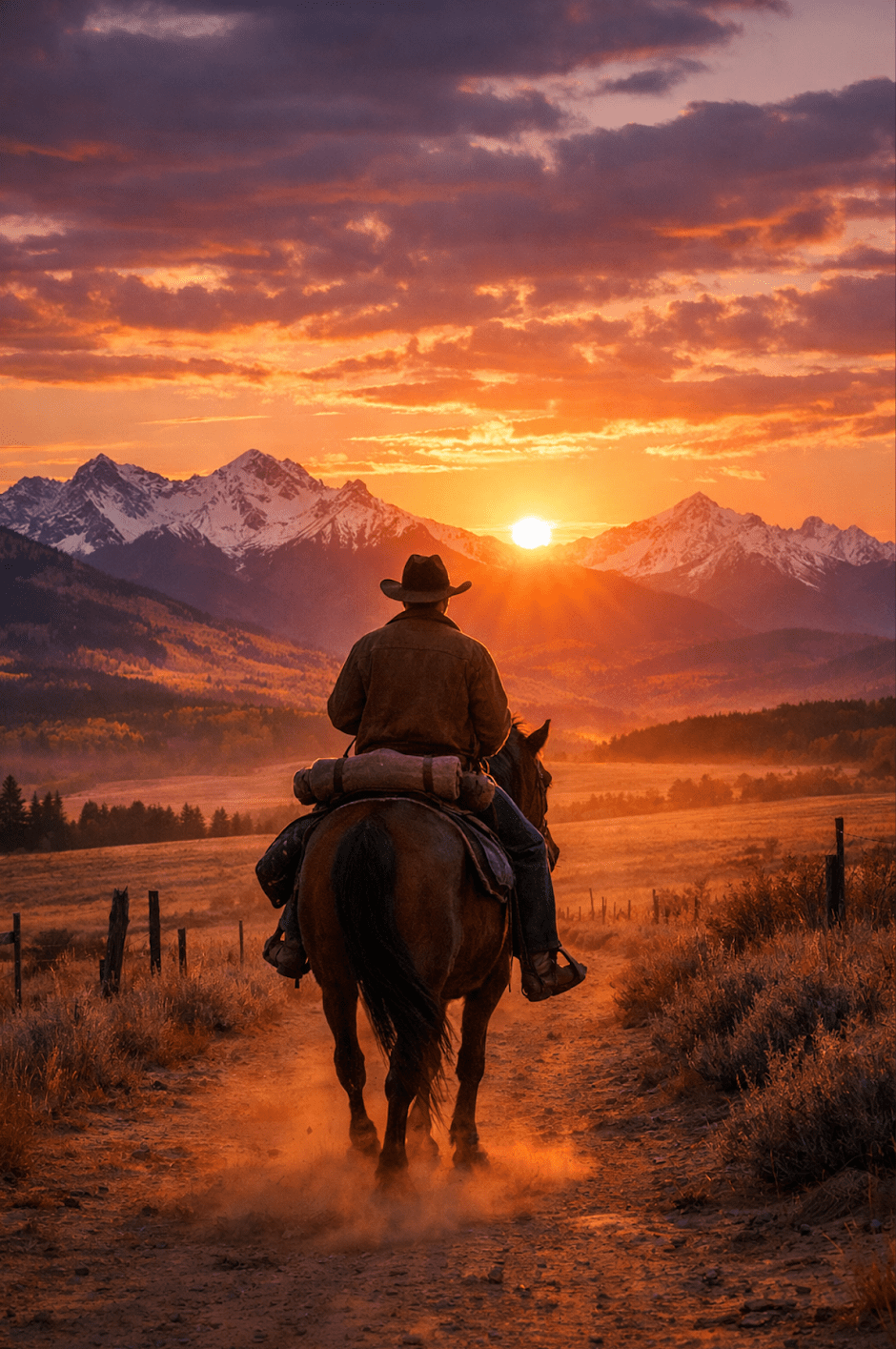
Over the years, I’ve heard countless stories about my grandfather, Tom Allen, and how he was one of the best horse traders around. In ranch country, that is no small reputation. A good horse trader needed sharp eyes, steady hands, and the kind of instinct that could read both horses and men.

According to the stories, Grandpa had all three.

My mom loved telling me about the days when she would watch him break horses on the ranch. She always laughed when she described it.

“He would swear like a sailor,” she’d say, shaking her head, “but he talked to those horses in the softest voice, just like he was speaking to a baby.”

That was Grandpa—half thunder, half tenderness.

As kids, my brothers and I loved sitting with him and asking questions about ranch life. We wanted to hear about sheep camps, life on the mesa, and especially the horses he had bought, traded, and trained over the years. Grandpa never seemed to tire of our curiosity.

One piece of advice he repeated more than once stuck with me all these years. “Never buy a horse with four white socks,” he warned. “They’ll have trouble with their feet.”

Funny how some words stay with you forever. Even funnier is the fact that I didn’t follow that advice.

Years later, I owned a horse named Beau, a stubborn mix of Arabian and Quarter Horse. He was jet black with a white blaze down his face and four bright white socks.

Sorry, Grandpa. And yes… Grandpa had been right.

Beau was a bit of a tenderfoot, and I had to watch his hooves carefully. But I loved that horse anyway. He had spirit and speed, and sometimes a mind of his own, especially when water was involved. Crossing streams often turned into negotiations.

Many times, I wished Grandpa had been nearby so I could ask him what to do. Once, remembering my mother’s story, I even tried talking to Beau the way Grandpa had talked to his horses. I leaned forward in the saddle and whispered, “Whoa, you son of a bitch.”

For some reason, it didn’t work nearly as well for me as it had for Grandpa.

Still, Beau and I had our adventures. When I helped friends round up cattle, he showed his cow pony instincts. I remember one day when we had a calf cornered. Everything was going perfectly until that calf suddenly wheeled around.

So did Beau.

The next thing I knew, I was sitting flat in the dust while Beau trotted over, lowered his head, and softly nickered as he nudged me with his nose, as if apologizing for the sudden change of plans.

I’m certain Grandpa would have laughed at my city girl ways, before telling me, “Well, girl, you’d better get back on that horse.”

One of my clearest childhood memories of Grandpa involves his saddle. One day I saw it after it had been freshly cleaned and oiled. The leather shone like honey in the sunlight, and the rich smell filled the room. I couldn’t resist running my hands over the smooth seat and worn stirrups. Grandpa caught me.

“Don’t mess with my saddle,” he scolded, though there was a hint of a smile hiding just below the surface.

That saddle was one of his prized possessions, worn smooth by years in the saddle and countless miles across mesas and mountains. Grandpa had spent a lifetime on horseback.

He even served in World War I, when the army at one point asked him to break horses for the cavalry. According to family stories, he wrote home asking them to send his saddle so he could do the job right.

Imagine that—my grandpa breaking horses for the United States Army.

After about six months he returned home with a broken ankle and a disability pension from the military. To this day I still think that is one of the most impressive things about him.

But Grandpa had loved horses long before the Army ever came calling. Family members said he could spot a good horse from a mile away. Besides raising sheep on the ranch, he traded horses for a living. And from all accounts, he nearly always came out ahead in those trades.

After Grandpa passed away, his nephew Paul Allen summed up Grandpa’s reputation in one simple sentence.

“Well,” he said quietly, “the last of the great horse traders is gone.”

I have missed my grandpa all my life.

There’s an old cowboy saying that goes, “Every horse deserves, at least once in its life, to be loved by a little girl.”

I believe that.

But I also believe something else.

Every little girl deserves a grandpa who spoils his grandchildren, tells stories about horses and ranch life, and never misses the chance to say how much he loves those “damned cute kids.”

Because long after the horses are gone and the saddles hang silent, a cowboy’s greatest legacy is the love that keeps riding through the hearts of the generations he leaves behind.
My Ornery Cowboy Grandpa

When I think of my grandfather, I think of boots.

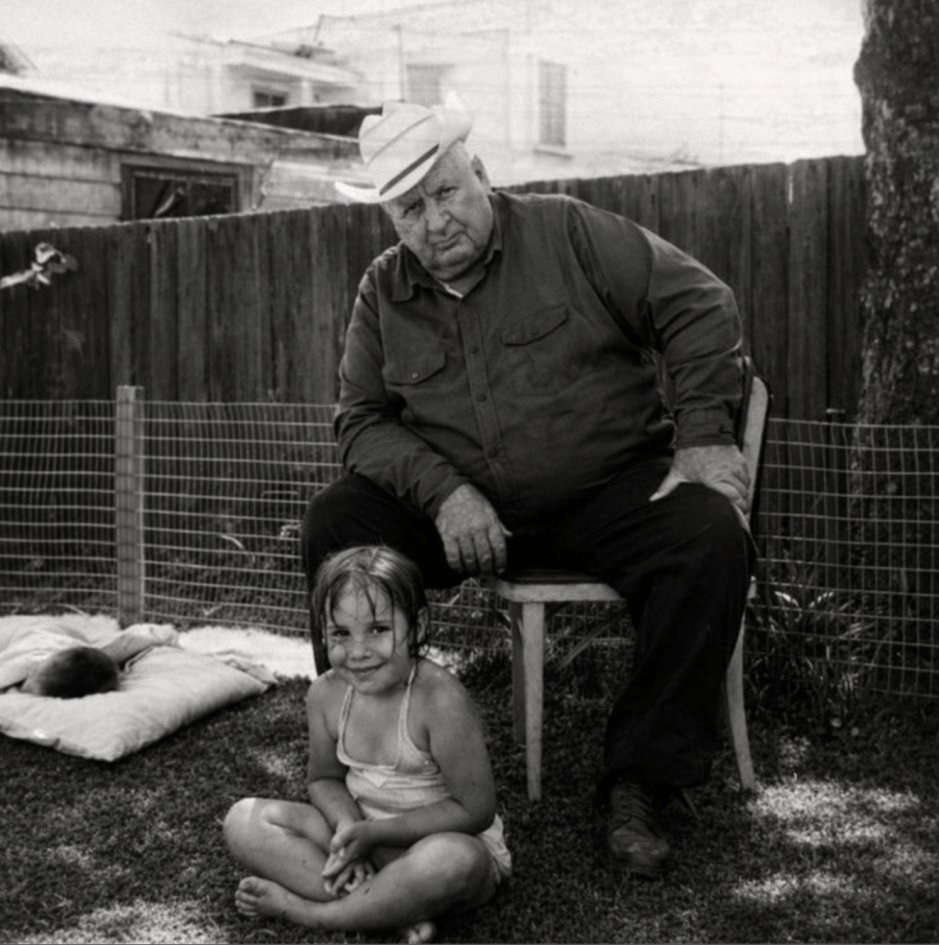
I hear them before I see him, that unmistakable, heavy rhythm of cowboy boots crossing a floor, steady and sure, followed by the deep rumble of his voice rolling through the house like distant thunder. Even now, all these years later, I can still summon him in an instant: the broad-brimmed straw hat, the crisp western shirt, and the worn boots that seemed as permanent a part of him as his hands or his laugh. Before I remember that he died when I was fourteen, I remember how fully he lived in a room.

By the time my grandfather passed away, our family and my grandparents were living in Alameda, California, a long way from Hotchkiss, Colorado, the place he thought of as home, no matter what address appeared on an envelope. California may have held him captive, but Colorado held his heart. He carried it all with him, his family, the ranch country, the sheep, the horses, the hard weather, the wide-open spaces, and the stories that rose from that land as naturally as dust from a dry road. Through him, Hotchkiss never felt far away. He brought it to life every time he spoke.

He was a large man in every way that mattered. As a child, I thought he was six feet or more in all directions—broad-shouldered, big-chested, thick-handed, the sort of man who seemed carved out of something sturdier than ordinary flesh. His hands looked capable of moving mountains or lifting fence posts or steadying a frightened child with equal ease. His voice was deep and booming, the kind that could command attention without ever asking for it. Even his silence had weight.

To me, he was the very definition of a cowboy. Not a polished, movie screen cowboy, but the real thing, rough around the edges, sunbaked, practical, and a little intimidating until he smiled. He dressed in cowboy clothes every single day because that was simply who he was. There was no costume to it, no performance. The hat, the Western shirt, and the boots, those things were as natural on him as skin. He did not put them on to become a cowboy. He wore them because he had never been anything else.

And oh, I adored him.

For all his size and gruffness, Grandpa had the softest heart for babies and grandkids. He was not sentimental in the syrupy sort of way. He did not fuss. He did not coo. But love lived plainly in him, tucked beneath all that bluster. When we were small, he sometimes watched us for my mother, Dotty. There was, however, one task he met with visible suspicion, diaper changes.

The dirty diaper itself was not the problem. He could remove that offensive thing with determination and only a measure of disgust. It was the clean diaper that brought him to a standstill. In those days, diapers were fastened with pins, and the very idea of jabbing a squirming baby with one was enough to unnerve him. So, rather than risk injury, he devised his own solution. He would layer two or three pairs of training pants on the baby and then pull plastic pants over the whole operation, as if engineering some kind of fortress against disaster.

Problem solved.

That was Grandpa’s way. He did not always do things the conventional way, but he nearly always found a way that made sense to him. Looking back, I think that was one of his gifts: he met the world on his own terms and expected the rest of us to keep up.

Visits to Grandma and Grandpa’s house followed their own sweet, dependable ritual. He greeted us with tight hugs, scratchy whisker kisses, and that great booming laugh that made you feel as though you had entered a place where joy was allowed to take up space. And there was always money. Somehow, before we left, he made sure there was change jingling in our pockets or a folded bill pressed into our hands. Love, according to Grandpa, ought to send a child home with a little spending money.

Then came the moment we both dreaded and loved.

In a raspy, exaggerated baby voice that was half teasing and half tender, he would grin and say, “You’re a damn cute kid.”

That was our warning.

Because right after those words came the cheek pinch.

Not a gentle tap. Not a fond little pat. A real pinch. The kind that made you squeal and twist away and laugh even while you protested. We learned to anticipate it. We ducked and dodged and tried to escape, but Grandpa was fast, faster than a man his size had any right to be. He almost always got us. To this day, I maintain that if any of us grew up with chipmunk cheeks, it was because Grandpa stretched them that way one affectionate pinch at a time.

Then there was the Jeep.

For a while, Grandpa owned an old green Jeep, and he drove it like a man who believed speed limits were merely suggestions made for lesser souls. My parents warned us repeatedly: never go anywhere with Grandpa if he were driving. Never, ever. The instruction was clear, serious, and often repeated, which of course only gave it the electric appeal that forbidden things have for children.

By then, we already understood one of the central truths of childhood: what happens at Grandma and Grandpa’s stays at Grandma and Grandpa’s.

So yes, we rode in the Jeep.

I can still imagine the jolt of it, the way my stomach leapt as he tore out of the driveway, the wild swing of a turn taken too fast, the thrilling terror of tearing through a parking lot as though it were part racetrack, part rodeo arena. Riding with Grandpa felt like trusting a storm with a steering wheel. It was reckless and hilarious and a little bit glorious. We held on and hollered and lived to tell the tale, though not, of course, to our parents.

My sweet grandmother worried over those escapades far more than we did. She feared my parents would find out and put an end to our sleepovers, as though those overnight visits were something fragile that might be snatched away. But nothing could have kept us from that house for long. It was one of the anchoring places of my childhood, full of stories and teasing and warmth, where love wore cowboy boots and laughed loudly and pinched your cheeks hard enough to leave a mark, on our hearts anyway.

What I miss most now are the ordinary wonders of him. I miss the booming way he told stories about the ranch, the family, the horses, the sheep. He could make a memory sound like legend. He could take the raw material of daily life and shape it into something worth leaning in to hear. In his telling, Hotchkiss was not just a town. It was a world. The ranch was not just land. It was inheritance, labor, identity, and love. Through his stories, he handed that world down to us.

As a child, I thought he would always be there, always filling a doorway, always laughing too loud, always wearing that hat, always ready with a coin, a story, or a pinch to the cheek. I did not yet understand how quickly the people who seem larger than life can become memory.

He died when I was fourteen, which now seems far too young an age to lose a grandfather like him. At fourteen, you still believe there will be more time. Another visit. Another story. Another chance to hear his boots coming across the floor. You do not yet know how suddenly a voice can vanish from the world and still echo inside you for the rest of your life.

I would give so much to hear him one more time. To hear that deep voice soften into that raspy little baby talk. To see the grin spread across his face before he said, “You’re a damn cute kid.” To brace myself for the pinch I once tried so hard to avoid.

Funny thing is, I think I understand now what I never understood then. The cheek pinch, the Jeep rides, the coins in our pockets, the stories, the laughter—those were his ways of loving us. Big, unruly, unforgettable ways.

And maybe that is why I have come to love my chipmunk cheeks after all.

They are not just mine.

They are where my grandfather left his fingerprints.

A Family Name

Daily writing prompt
What is your middle name? Does it carry any special meaning/significance?

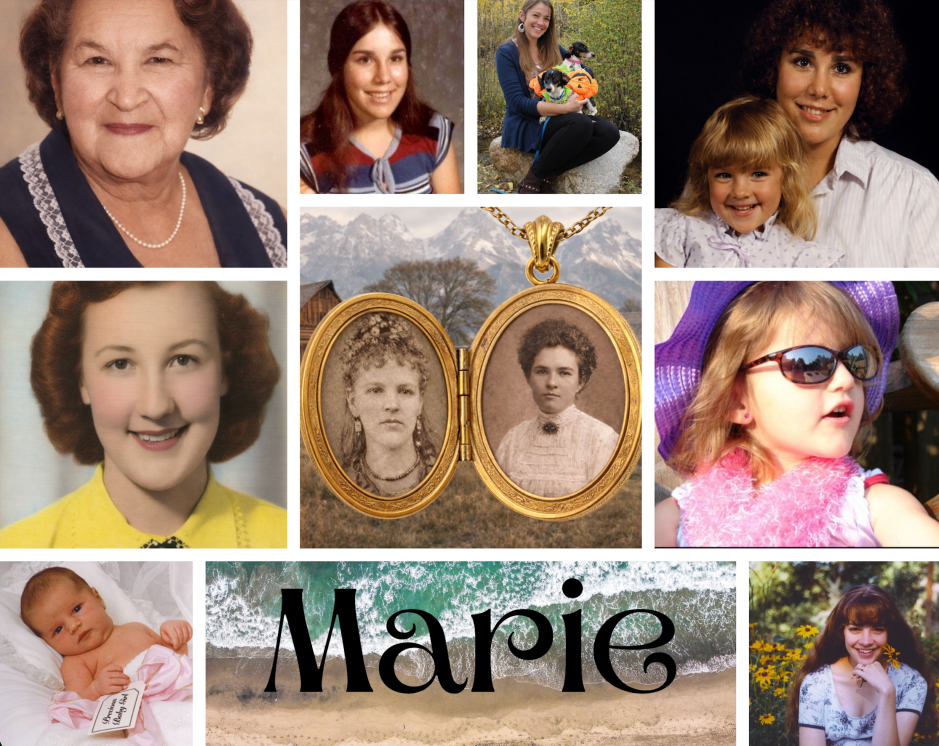
The tradition of the middle name Marie started with my grandmother, Elva Marie. Her name was passed down to the women who came after her. My mother, Dorothy Marie, carried the name with an inner strength that stayed with her throughout her days. When I was born, she gave me the same middle name, and I became Ann Marie. As a child, my mother shared the meaning and importance of my name, two words that held part of my family’s story.

Years later, when I carried my baby daughter, I understood the meaning of tradition. I knew if I had a daughter, her middle name would be Marie. My daughter, Leslie Marie, continued the tradition. It didn’t feel like a decision, but more like honoring something that belonged to us. The name moved from grandmother to mother to daughter, and now it was my daughter’s turn.

Today, the tradition lives on with my granddaughter, Sierra Marie. Her name echoes the names of the women before her. Five generations have shared the same middle name; each quietly linked to the others.

My own name bears even more family history. I was named after my two maternal great-grandmothers, Tamar Anna Peyton and Anna Strassburg. I never met them, but their names are part of mine. It’s a small way to honor the women who shaped our family.

Names can hold history and meaning. They carry memories, identity, and a sense of belonging. In our family, Marie is more than merely a tradition. It reminds us that we are members of something greater. We belong to a line of women whose lives span generations, each granting something for the next to remember.

My College Years

Daily writing prompt
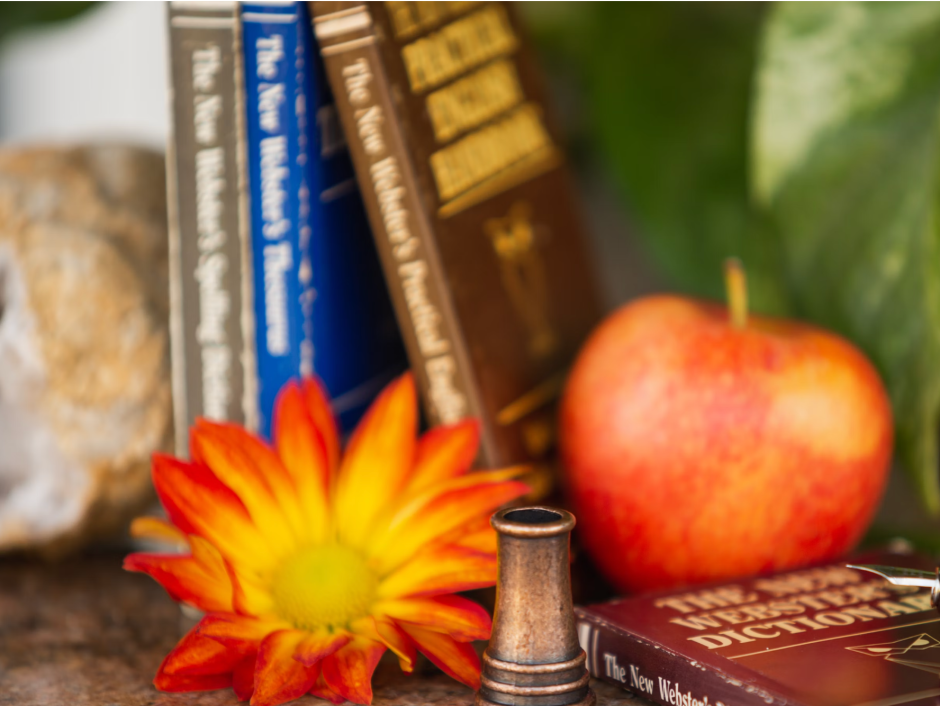
What colleges have you attended?

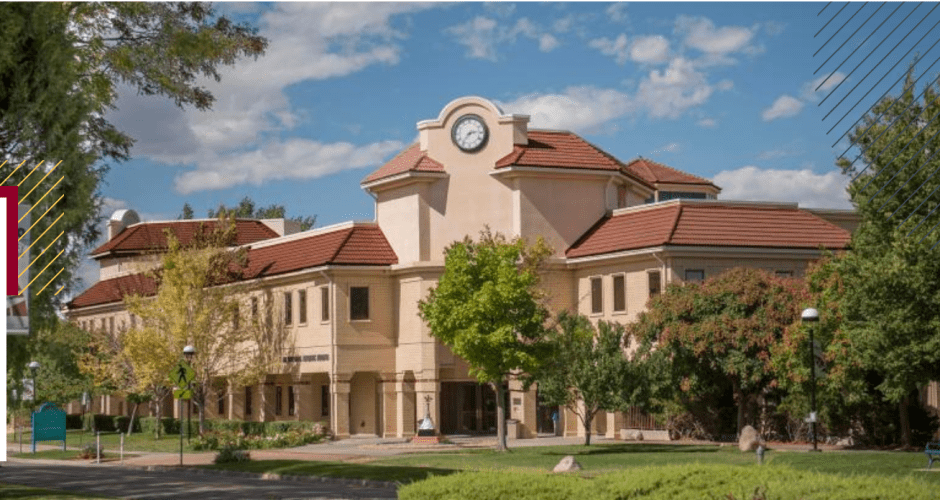
Over the years, I have attended three colleges: Pueblo Community College, the University of Southern Colorado, and Adams State University. Each institution provided me with a valuable learning experience and opened doors to new opportunities.

Here is a brief tale of my college experiences.

A Lifetime of Learning

The House That Felt Like Home

Some houses welcome you before the door even opens.

That is how it always felt at Aunt Jan and Uncle Roger’s. Before I ever walked inside, before the door shut behind me, before I heard a single word, I could feel it, that clear warmth resting just beyond the threshold. Their home held a kind of ease that came over me the moment I walked through the threshold. It was as comforting and familiar as a favorite sweater pulled over my shoulders on a chilly day. It was rich in the things that matter most: laughter, conversation, affection, and the simple warmth of people who knew how to make others feel at home.

Inside, the house was humming with sound. Laughter came easily as it drifted from room to room. It combined with the clinking of coffee cups set down at tables. The television hummed in the background, likely tuned to the news if Uncle Roger had his way, or to a football game if one of his favorite teams was playing. There was always the sense that life was happening there in a full and happy way. Their home breathed with a life and a personality of its own.

Aunt Jan was at the center of much of that energy. She was funny in a way that could not be taught, sharp, quick, and perfectly timed. Her eyes beamed when she narrated a story, and she had a gift for delivering a remark so dry and so precise that laughter commonly came a beat later, after the brilliance of it had fully landed. She was a little ornery, too, though in the most endearing way. She liked to tease, liked to stir the pot just enough to keep things spirited, and she was never afraid to say exactly what she thought.

Still beneath all that humor was a tenderness that ran deep. Aunt Jan always understood her surroundings and watched. She knew when others fell silent, and their world had become unsettled. And she instantly knew how to respond with a knowing smile, an extra hug, or a gentle touch on the shoulder.  Sometimes it was a question asked so simply and sincerely that it opened the door for me to say what I had not realized I needed to say. Her love commonly arrived in those soft moments, so natural and unforced that they might almost have gone unnoticed, except that they made all the difference.

Uncle Roger matched her in his own way. Where Aunt Jan’s wit flashed bright and quick, Roger carried an unshakable sort of alliance filled with warmth and mischievousness all at once. He had a fun-loving spirit and a look that implied he might, at any moment, be on the verge of some innocent trouble. There was something unnerving about that grin, something that made you trust him immediately and suspect him just a little, too. His quick laugh held reassurance and comfort, and as he chuckled, it came from deep down, booming and contagious. It was impossible not to laugh with him.

His kindness equaled Aunt Jan’s, his gentle spirit filled his home like a warm summer breeze. He was the sort of man who made people feel comfortable without ever seeming to try. He showed up. He included you. He made room. His everyday actions showed his love for those around him. His servant’s heart revealed goodness in his speech and ordinary moments.  His warmth lived in action more than words.

Together, they were a pair in the truest sense of the word. Their teasing had its own music, a back-and-forth rhythm defined by years of affection, teasing, and common history. Watching them together was its own kind of lesson. They did not need to be polished or perfect to be deeply connected. Their love was lively, genuine, and strong enough to hold humor, difference, and tenderness all at once. They balanced one another beautifully, Aunt Jan’s sparkle and Roger’s steadiness, her lively wit and his easy warmth, her lively orneriness and his bold spirit.

There was a comfort in being around them that was hard to describe unless you have known it yourself. Visits were never hurried. No one seemed to be counting the minutes or rushing the conversation along. Time loosened its grip in their home. People sat a little longer at the table. Stories grew a little fuller. Laughter lasted a little longer than expected. Even silence came across as companionable there, not awkward or empty, but full in its own way—the sort of silence shared only among people who are at ease with one another.

That is one of the things I remember most: how full even the stillness felt.

Their home was more than a place I visited. It was a feeling I came into. A feeling of belonging. A place where I wasn’t merely received, but welcomed. Not simply noticed, but known.

Now, when I think of Aunt Jan and Uncle Roger, I do not first think of specific moments or exact conversations, though some surely remain tucked away in memory. What rises to the surface most strongly is how they made me feel. Loved. Seen. Happy. Safe in the easy joy of being with them. Their humor, kindness, and delight in life created a lasting influence on me, one that has remained long after the visits themselves slipped into memory.

They taught me things without ever sitting me down to explain them. They made me realize that laughter can be one of the purest forms of love. That kindness often comes wrapped in fun loving moments. Joy is often something we create for one another during ordinary days and sunny afternoons while sipping coffee on a quiet patio. They reminded me that the homes we remember best are often the ones where we were most fully ourselves, living life’s sweetest moments.

I have carried those visits with me all my life. They do not feel distant, not really. They remain warm and living in me, like embers that never quite go out. And when I think of all that made a childhood rich, connection, comfort, and affection. I often think of their house, the laughter, the television softly murmuring in the background, the coffee cups, the teasing, the welcome.

And I realize that what they gave me was never merely hospitality.

It was the unmistakable feeling of being at home in someone else’s love.

Memorable Events of 1961: Music, Fashion, and Culture

Daily writing prompt
Share what you know about the year you were born.

Songs:

Dance Craze:

Best Selling Books

  • To Kill a Mocking Bird by Harper Lee – One of my absolute favorite books

Popular TV Shows

  • Gunsmoke
  • Bonanza
  • Dennis The Mennace
  • Walt Disney’s Wonderful World of Color – a Sunday night family tradition

Popular Films

  • 101 Dalmatians
  • The Parent Trap

Fashion:

Jacqueline Kennedy – The Jackie Look

  • bouffant hairdo, pillbox hats, and sleek, simple dresses

Politics and Society:

  • JFK’s Presidency
  • Peace Corps
  • Civil Right’s Movement
    • Freedom Riders

Toys:

  • Mattel introduced Ken

Pampers Disposable Diapers? I did not know that! They came in two sizes and the average cost was ten cents each. Most consumers believed the diapers were too expensive for everyday use.

Bonjour, Québec!

Daily writing prompt
What cities do you want to visit?

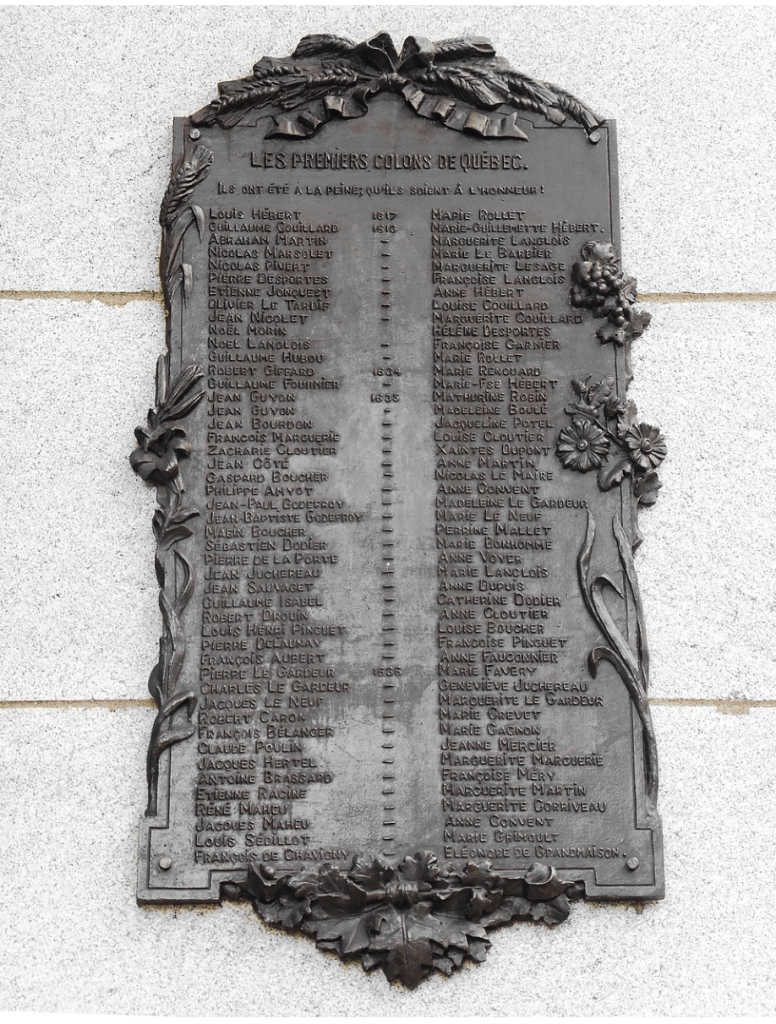
Visiting Québec is more than a journey; it is a homecoming to the roots of our family’s North American story. Our earliest ancestors helped shape New France, tending the land, building homes, and gathering in the city’s first churches. As we wander the cobblestone lanes of Old Québec, step inside Notre-Dame-des-Victoires, and stand on the Plains of Abraham, named for our ancestor Abraham Martin, we walk in their footsteps and feel the weight of their hopes and hardships. Québec City breathes history, inviting us to experience not just a place but a living legacy of faith, family, and resilience that endures through the ages.

Many of my ancestors are named on this plaque

Jobs

Daily writing prompt
What jobs have you had?

High School

  • Babysitting
  • Store Clerk at a toy store
  • McDonald’s
  • State Farm Insurance – Secretary

On my Own

  • Switchboard Operator
  • Bureau of Land Management
    • Labor
    • Administrative Assistant

Married

  • Waitress
  • Home Health Care
  • Medical – Billing
  • Assistant Director – Nonprofit

Divorced

College

  • Tutor
  • Paraprofessional
  • Substitute Teacher

Career

  • Science 7-10
  • English Instructor – Community Collge
  • Teacher – Department of Corrections
    • GED
    • Adult Basic Education
    • Life Skills
    • English – College Classes
  • Middle School
    • Language Arts 6-8
    • Reading
    • Transitional Reading
    • Humanities
    • Tutor

Mitzi Moo

Daily writing prompt
Share one of the best gifts you’ve ever received.

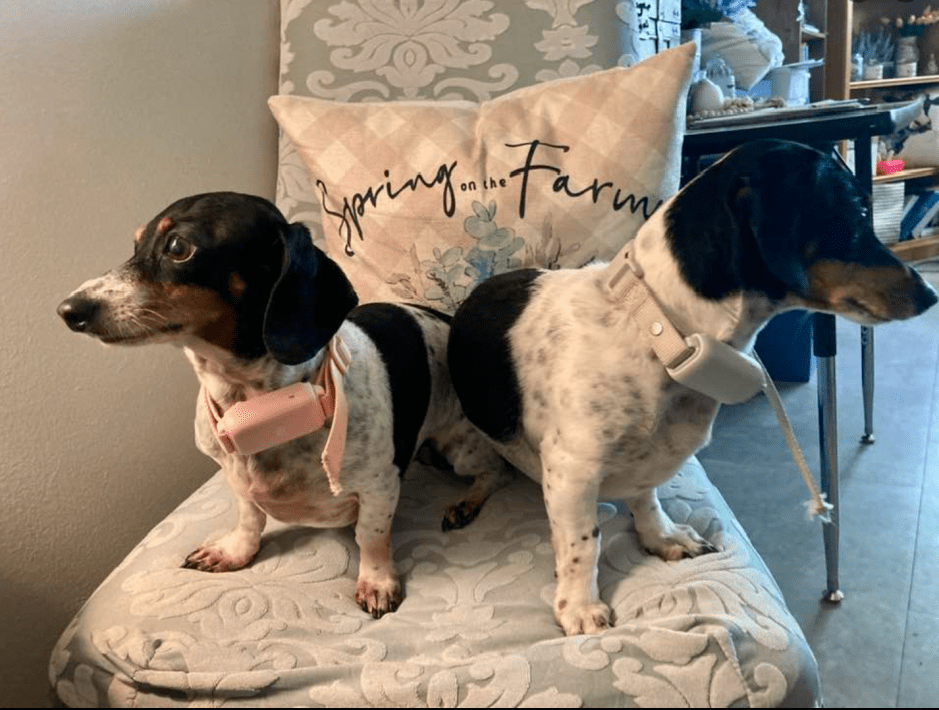
One of the best gifts I ever received was my pup, Mitzi. My dear friend, Cathy let me pick out my special girl from a litter of pups; she was one of four. I wanted two, so Mitzi would not be alone, but at that time all the pups were spoken for. At the last minute, one pup, my Max, became available. The man who wanted him could not take him at the last minute, and I am so thankful. My little Muttley Crew has changed my life, and I adore this pair.