
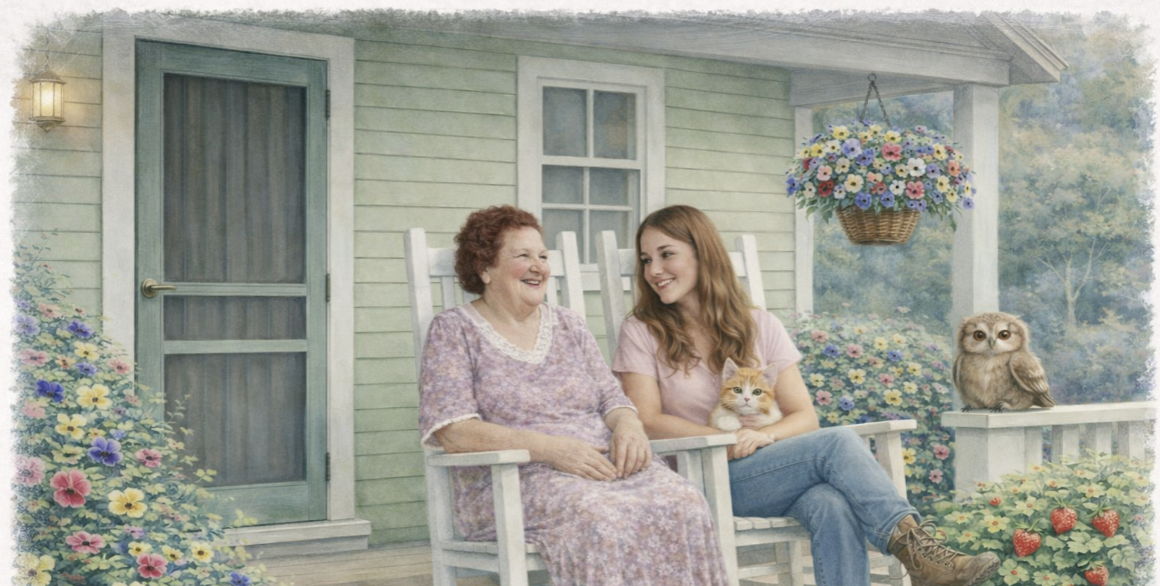
Tie a yellow ribbon round the ole oak tree….
Music drifted out through the open front door of my grandparents’ cheerful little cottage. “Tie a Yellow Ribbon ’Round the Ole Oak Tree” floated across the yard, and I smiled the moment I heard it. It was one of Grandma’s favorite songs. Ever since Tony Orlando and Dawn began appearing on television each week, she rarely missed their show. I was certain she counted herself among their most devoted fans.
When I stayed with my grandparents, evenings often settled into a gentle rhythm of television, music, and togetherness. After supper, the house would grow quiet and cozy as Grandma took her place in her chair and Grandpa settled in nearby, ready for the familiar programs they loved. They faithfully watched Hee Haw, the Grand Ole Opry, and The Lawrence Welk Show. Grandma especially loved the music and dancing. Her face would brighten when a favorite song began, and she seemed to carry the tune right into her smile. Grandpa enjoyed the humor just as much as the music, chuckling at the corny jokes, one-liners, and silly skits that were part of those shows. Looking back, those evenings seemed wrapped in warmth—the soft lamplight, the hum of the television; the comfort of being together in that small cottage filled with love. How I wish I could step back into one of those nights, if only for an hour, and sit with them once more, listening to the music and feeling the safety of their presence.
Country music also filled the rooms of my own childhood home. Songs by Hank Williams, Charley Pride, Patsy Cline, Loretta Lynn, George Jones, and Glen Campbell, often played on the stereo in the living room. We grew up with those voices. Their songs drifted through our days as naturally as conversation—playing while chores were done, floating through open windows on warm afternoons, and setting the mood for family gatherings and long car rides. Country music was never just background noise in our house. It was part of the texture of daily life, woven into our routines and memories so completely that I cannot think of my childhood without hearing a song somewhere in the distance.
When I look back on family stories, music is almost always there, underscoring the moment like a soundtrack. It gave shape to ordinary days and marked special ones. A certain melody can still carry me back in an instant—to a kitchen, a living room, a summer evening, or a holiday gathering. Music has always held an important place in my family. It connected one generation to the next through shared favorites, familiar voices, and songs everyone seemed to know by heart.
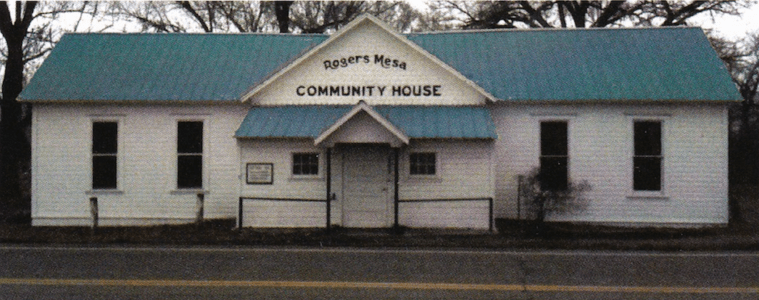
Grandma and Mama often talked about the community dances in Hotchkiss, Colorado, and I loved listening to those stories. In my mind, I could almost see the scene unfold: neighbors arriving at a crowded hall with cake plates balanced in their hands and jars of lemonade to share, laughter spilling through the room before the music even began. Someone would start playing, another would join in, and before long, the whole place would come alive. Couples twirled across the floor, boots shuffled in time, skirts swayed, and the room pulsed with music and motion. Grandpa would sometimes call for square dances, his voice ringing out over the laughter and fiddle music, guiding the dancers as they do-si-do’d and swung their partners beneath the bright lights. From the stories I heard, many members of the Allen family played instruments, and most of them learned by ear. They didn’t need sheet music. The songs lived inside them, ready to be called out by memory and feeling.
Music, in those stories, was never merely entertainment. It was a gathering place, a language, a thread that stitched family and community together. It carried joy, eased loneliness, and gave people a way to celebrate both the ordinary and the meaningful moments of life. Even now, those songs and stories linger. They remind me that long before memories are written down, they are often first carried in melody—passed from one heart to another in a tune, everyone remembers.

 Tales of a Family