Claude Damise: A Fille du Roi in Montreal

This grandmother also took a lover, and on the 23 Mar 1676, she had a son, Andre-Jean.

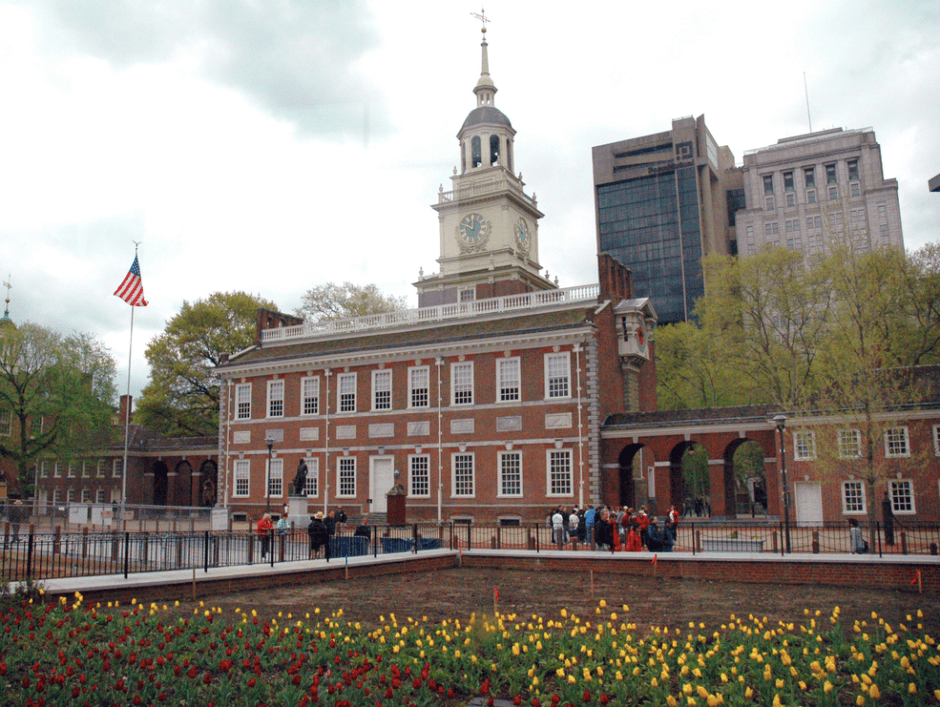
Façade of the Catholic Church Saint-Nicolas-du-Chardonnet, built in the 16th-17th centuries. Rue des Bernardins, Paris.
By: Jawstrow

In the year 1643, Claude Damise was born to Etienne Damise and Genevieve Pioche. The family was located in the parish of Saint-Nicholas-du-Chardonnet in the faubourg Saint-Victor section of Paris, France.

After the death of her father, Claude decided to take her king’s offer and sail to the fledgling colonies in New France. If the colonies were to grow, they needed women for the soldiers and settlers that resided in these new lands. Between 1663-1673, King Louis XIV started a program that sent around 800 women to North America. He gave the woman a dowry and supplies to help them start their homes. In time, these women were called the King’s Daughters.

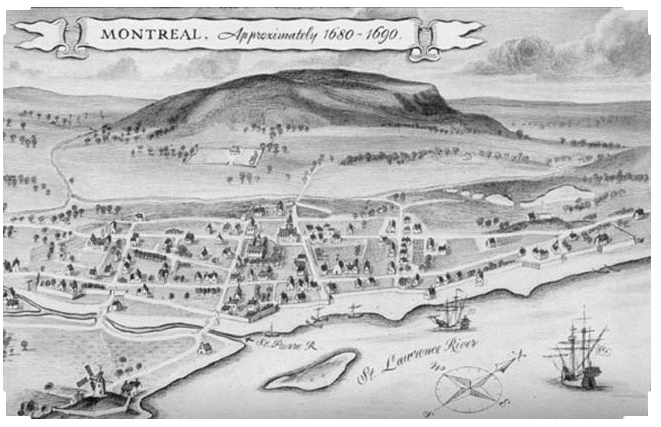
In 1668, at the age of 25 years, the young woman sailed to Canada to find a husband and a new home. When she arrived, she lodged at the Maison Saint-Gabriel in Montreal. On 10 Dec, she married Pierre Perthuis dit Lalime in Montreal. Claude could not sign the marriage contract, but her husband signed the paper. Her cousin, Francoise Guillin that was also a King’s Daughter, attended the wedding and was a witness to the ceremony.
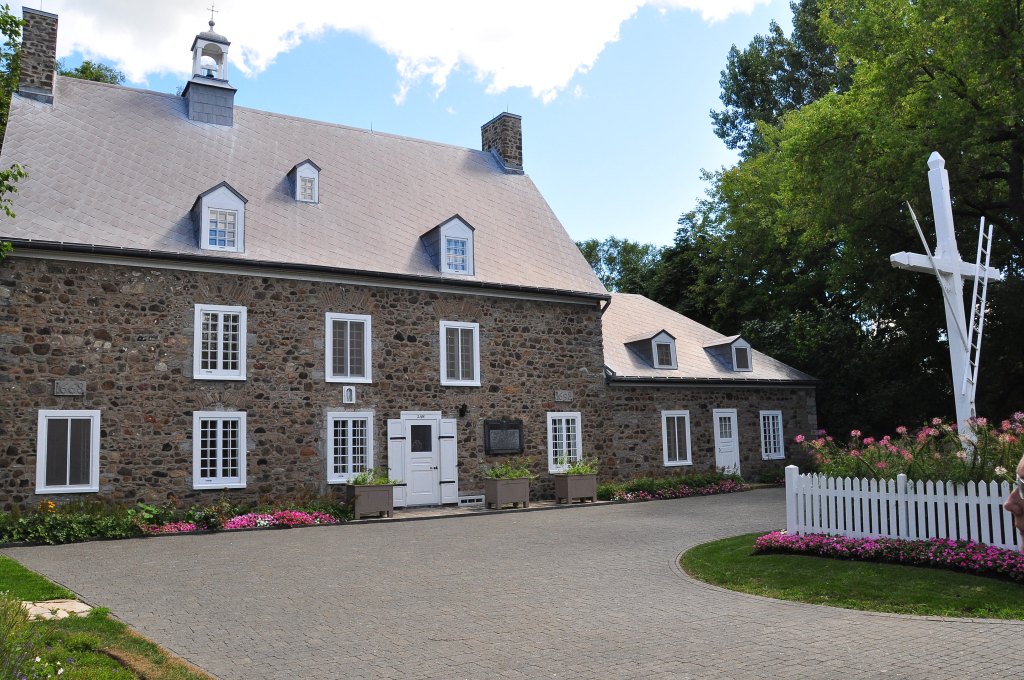
Maison Saint-Gabriel
18 August 2012
By abdallahh

Her husband was born in 1644 in the Saint-Denis district of Amboise, Touraine, in France. Pierre’s parents were Sylvain Perthuis and Matherine Rassicot, and his father was a wood merchant. In 1665, he sailed to Canada, and he became a soldier for the Salieres Company of the Carignan Regiment. In time, he also became a merchant in Montreal, and in 1695, he enlisted as a fur trader.

Quebec Vital and Church Records (Drouin Collection), 1621-1967

The couple had twelve children, Catherine (23 Jan 1670), Jean (7 Feb 1672), Jeanne (13 Dec 1673), Elisabeth (7 Feb 1677), Marie (8 Sep 1678), Genevieve (18 Oct 1680), Marguerite-Francoise (24 Jul 1682), Angelique (1 Jan 1684), Anne-Francoise (26 Jan 1685; buried five days later), Pierre (16 Apr 1686), Francois (10 Jan 1688), and Pierre 2 (22 May 1691). In 1681, their son, Jean, died at the age of nine.

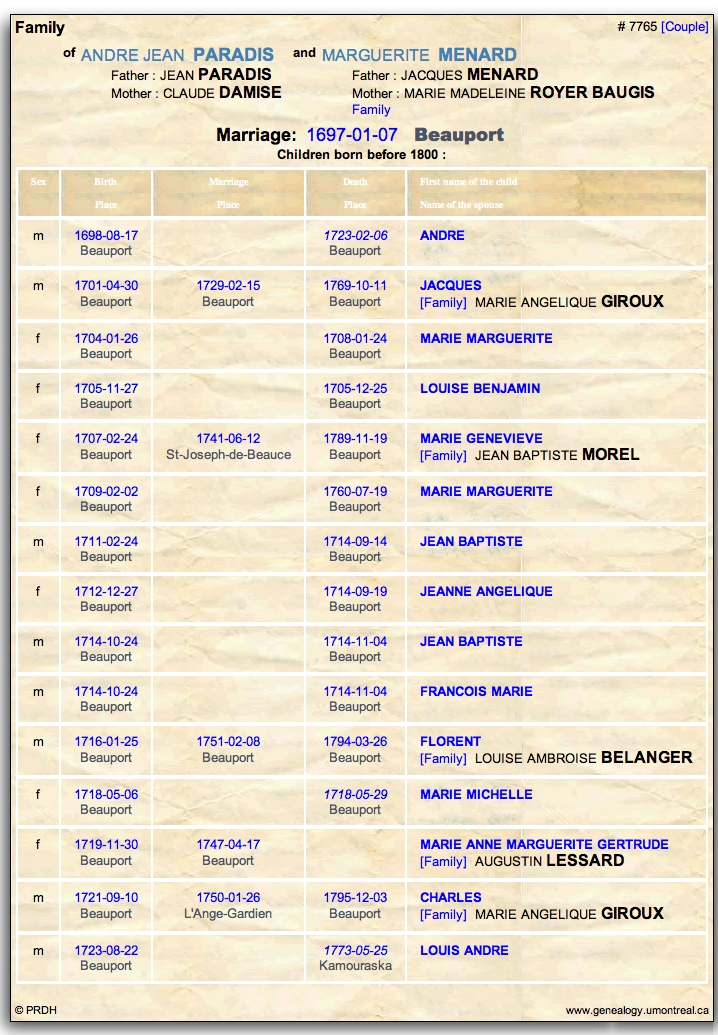
This grandmother also took a lover, and on the 23 Mar 1676, she had a son, Andre-Jean. His father was Jean Paradis, and he was the son of Pierre Paradis and Barbe Guyon. Since Andre’s birth was well documented, I do not know if her husband was aware of her infidelity. However, records indicate that Andre was adopted by another couple, Rene Siret dit Lafleur and Anne Fayet, another King’s Daughter. This couple was childless. They did not marry until 8 Sept 1670, so Andre was adopted when he was older.

In 1682, Claude and her husband, Pierre, were involved in a scandal. A cabaret owner, Anne Lamarque dit Folleville, was taken before the courts for her immoral lifestyle. She was accused of having several lovers. In April 1682, Anne was a lodger in the home of Claude and Pierre, and they were called in as witnesses.

The cabaret, owned by Anne and her husband, Charles Testard in Montreal, was quite a popular stop among the men from all ranks of society. Since the men often traveled for their jobs, Montreal was in a central location for these men passing through the area. It also became the hub for merchants and traders, so the cabaret was an infamous hot spot for controversial behavior.

This scandalous business attained notoriety and gained the attention of the church and the civil authorities that wanted to stop the immorality in their town. As complaints began to mount against the couple, a parish priest, Jean Fremont, became involved. He wanted the cabaret closed, for the establishment was troubling; it often included violent fights as prostitutes worked their charms, and husbands cheated on their wives.

On June 17, 1862, Jean Fremont appealed to the local authorities and requested that Anne Lamarque should be stopped, and her business closed. The long trial included many of the neighbors of Anne and her husband. Interesting and sordid details even added witchcraft, for witnesses stated that Anne had a book of spells, written in Greek, Latin, and French. Some claimed she contrived spells that lured men to her place of business. Others acknowledged that the madame of this establishment created love potions that enticed the men and ensured their loyalty to frequent her place of business. Even her husband, Charles, testified that his wife was a magician. Her customers attested to her illicit behaviors and suggested that some of her children were born from these adulterous misdeeds. The couple was accused of debauchery, which also included slights against the religious members of Montreal.

Still, Anne defied the accusations, and with her influential connections in Montreal, she was acquitted, and the cabaret remained in business. Her success was short-lived; however, four years later, in 1686, the businesswoman died at the age of thirty-seven.
After this incident, no more information about Claude was mentioned, except for the fact that she continued to have children with her husband, Pierre.

In 1705, Claude died, and on the 6 Oct, services were held at the Notre Dame Basilica; she was buried in the churchyard.

Her husband, Pierre, remarried. His new wife, Francoise Moisan, was another King’s Daughter, and she was also my 10x great grandmother.

The King’s Daughters

The Damise Family Tree


Cornelius Krieghoff
The Habitant Farm
1856,
National Gallery of Canada, Ottawa.
 

Sources:

“Canada, Find A Grave Index, 1600s-Current.” Search, Ancestry.com Operations, Inc., 2012, search.ancestry.com/search/db.aspx?dbid=60527.

Edmund West, comp. Family Data Collection – Births, Ancestry.com Operations Ina, 2001, search.ancestry.com/search/db.aspx?dbid=5769.

Edmund West, comp. Family Data Collection – Marriages, Ancestry.com Operations Inc, 2001, search.ancestry.com/search/db.aspx?dbid=5774.

Gagné Peter J. King’s Daughters and Founding Mothers: the Filles Du Roi, 1663-1673. Quintin Publications, 2003.

Gale Research. U.S. and Canada, Passenger and Immigration Lists Index, 1500s-1900s, Ancestry.com Operations Inc, 2010, search.ancestry.com/search/db.aspx?dbid=7486.

Genealogical Research Library, Ontario, Canada. “Canadian Genealogy Index, 1600s-1900s.” Canadian Genealogy Index, 1600s-1900s, Ancestry.com Operations, Inc., 2005, search.ancestry.com/search/db.aspx?dbid=7920.

Krieghoff, Cornelius. The Habitant Farm. 1856, National Gallery of Canada, Ottawa.

Pare, Olivier. “Anne Lamarque, Dite La Folleville.” Mémoires Des Montréalais, Centre D’Histoire De Montreal, 31 July 2018, ville.montreal.qc.ca/memoiresdesmontrealais/anne-lamarque-dite-la-folleville.

PRDH, Drouin Institute, http://www.prdh-igd.com/en/home.

Quebec, Canada, Notarial Records, 1626-1935, Ancestry.com Operations, Inc., 2016, anglo-celtic-connections.blogspot.com/2016/10/ancestry-adds-quebec-canada-notarial.html.

Quebec, Canada, Vital and Church Records (Drouin Collection), 1621-1968.” Birth, Marriage and Death Records – Ancestry.ca, Online Publication – Provo, UT, USA: Ancestry.com Operations Inc, 2008., search.ancestry.ca/search/db.aspx?dbid=1091.

“Quebec, Genealogical Dictionary of Canadian Families (Tanguay Collection), 1608-1890.” 1920 Census | 1920 US Federal Census Records | Ancestry.com, Ancestry.com Operations Inc, 2011, search.ancestry.com/search/db.aspx?dbid=2177.

Rheault, Marcel J. Medicine in New France: Montreal Surgeons, 1642-1760, Quebec, September, 2004

Yates Publishing. “U.S. and International Marriage Records, 1560-1900.” U.S., Department of Veterans Affairs BIRLS Death File, 1850-2010, Ancestry.com Operations Inc, 2004, search.ancestry.com/search/db.aspx?dbid=7836.

Web: Netherlands, GenealogieOnline Trees Index, 1000-2015, Ancestry.com Operations Inc, 2014, search.ancestry.com/search/db.aspx?dbid=9289.

Family Names and the Stories They Carry

Family stories hold a special meaning. They offer invaluable insight into the lives of our ancestors—their journeys, their struggles, and sometimes their sense of humor. Yet not every tale is entirely reliable. Some stories wander a little off course over time, and those who hear them must sift through the details to decide whether they are listening to fact, fiction, or something comfortably settled somewhere in between.

While exploring my family tree, I discovered that one of my great-great-grandfathers had shared a few less-than-truthful tales with my mother about his experiences immigrating to America and about the life he claimed to have built once he arrived. When I later researched those stories, records and documents quietly refuted many of his claims. Still, I couldn’t help but chuckle when I imagined him spinning those tall tales for his granddaughter, perhaps with a twinkle in his eye and a storyteller’s flair.

And that brings me to family names.

Behind many names in a family tree are stories just as colorful as those old tales. Sometimes there is more than one version of how a name came to be, and occasionally the decision itself sparked debates, raised eyebrows, or left parents quietly stewing over what to name their precious newborn.

When I was pregnant with my daughter Leslie, I had a strong feeling the baby I carried was a girl. Her father, Dave, felt the same way, though we wisely kept a backup name ready just in case. If the baby had been a boy, we planned to name him Brandon Raymond. We both wanted to include family names, and Raymond was the middle name of both Dave and his father. We also liked the Irish meaning of Brandon—prince or brave.

Although we spent most of our time considering girls’ names, we could not agree on the perfect one. The middle name was already settled: Marie. That name carried a quiet family tradition. It had begun with my grandmother, Elva Marie, passed to my mother, Dorothy Marie, and then to me, Ann Marie. Passing it on to another generation felt important.

But the first name? That proved far more difficult.

Dave didn’t care for most of my suggestions, and I wasn’t fond of his choices either—especially the day he casually suggested the name Mary, which happened to be his ex-wife’s name.

I remember slowly turning toward him and giving him what could only be described as the look of death. Dave immediately realized what he had said and burst out laughing. Then he began stuttering, trying to backpedal his way out of trouble, insisting it had nothing to do with his ex-wife.

To this day, I still try to remember whether he slept on the couch that night. If he didn’t, he probably should have.

Eventually, after much discussion—and perhaps a little marital negotiation—we settled on the name Leslie Marie. When she finally arrived, pink-faced and perfect, the name suited her beautifully. Later, when I discovered the meaning of Leslie—a peaceful warrior—I felt even more certain we had chosen well. The Scottish name seemed just right for our baby girl.

Naming the children in my own family had its share of shenanigans as well.

My parents believed strongly in honoring family names, but that didn’t always mean they agreed on which names should be used. More often than not, my father had the final say—except once, when my mother decided she had waited long enough and took matters into her own hands.

I was the first child born and the only daughter. Both of my parents wanted to carry on family traditions, but they had very different ideas about what that should look like.

My mother wanted to name me Aimee Marie, inspired by a beloved cousin whose married last name was Aimee. She thought it sounded elegant and meaningful.

My father had another plan.

He believed I should be named after two of my maternal great-grandmothers: Anna Strassburg and Tamer Anna (Ann) Peyton. His solution was simple.

Ann Marie.

Years later, when I was a teenager, my mother discovered that my father had once had a fiancée in Georgia named—of all things—Ann Marie.

I decided it was best not to dig too deeply into that particular family mystery. Still, I suspect that discovery might have earned my father at least one night on the couch.

Two years later, my world expanded when my first brother arrived. According to my mother, when she told me she was pregnant again, I became quite determined about what the baby should be. I began carrying one of my dolls around the house, calling it Tommy, and confidently announcing that my baby brother would soon arrive.

As it turned out, my prediction wasn’t far off.

The new baby was named after his two grandfathers—Tom Allen and Wilson Reeder—so Tommy Wilson received his name.

Right on schedule, two years later another brother arrived: David. His name didn’t cause much debate. He was named after a kind uncle who had married my dad’s sister, Betty, and after a pioneering great-great-grandfather who had once moved his family from Ohio to Colorado in search of a new life. His middle name, LeRoy, came from my father’s own middle name.

The third son appeared a little later than planned, arriving about six months after my mother’s carefully spaced two-year timeline. Keith Allen carried on another family name, as Allen was my mother’s maiden name. My father chose the name Keith, though to this day I’m not entirely sure if it had any deeper family connection. It’s one of those small mysteries I wish I had asked about when I still had the chance.

The final child in our family produced the most memorable naming story of all.

My father had already decided the baby would be named William, after his older brother. He was so certain of it that he had begun calling the unborn baby Billy long before the delivery.

But this time, my mother quietly decided she would have the final say.

When the baby arrived, she calmly filled out the birth certificate herself. The name she wrote was Daniel Harold—Daniel after one of her cousins and Harold as a small nod to my father, whose own name was Harold.

For three days after the baby was born, my father proudly introduced his new son as Little Billy, completely unaware that the official paperwork said otherwise.

Finally, my mother broke the news on their drive home from the hospital.

My father simply laughed. Still, for years afterward, he occasionally slipped and called the boy Little Billy anyway.

Family names carry pride, tradition, and history within them. They connect generations across time, linking grandparents, parents, and children through a shared story.

And while I cherish the traditions behind those names, I have to admit that I still smile when I think about the debates, surprises, and small bits of mischief that helped shape them.

As generations come and go, I hope our family names—and the stories that travel alongside them—continue to grow and branch out, just like the family tree itself.

Family names carry pride, tradition, and history within them. They connect generations across time, linking grandparents, parents, and children through a shared story.

Yet behind every name lies something even more powerful—the people who chose it, the memories that shaped it, and the stories that refuse to be forgotten.

Because in the end, a name is never just a name.
It is a story waiting for the next generation to tell it again.


Spinning Yarns
And Baby Makes Five Part 2
The Land of Milk and Honey

Photo by Simon Matzinger on Pexels.com

Stop the Press!

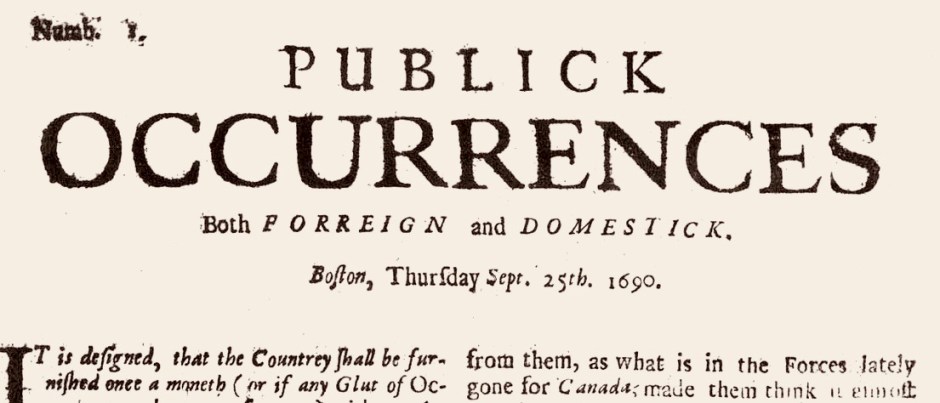
In order to hereunto, the Publisher will take what pains he can to obtain a Faithful Relation of all such things: and will particularly make himself beholden to such Persons in Boston whom he knows to have been for their own use the diligent Observers of such matters.

Benjamin Harris

The Ties that Divide

Like many grand narratives, some of the best were often rooted in legends and a bit of mystery. This tale was no exception. As details emerged, so did the many questions that raced through my mind as I hit one brick wall and then another.

Happily Ever After

“I don’t want to wait to get married! Let’s do it now!

Not to brag, but I have had a few marriage proposals in my life, and one time, I actually walked down the aisle. Still, that proposition did not turn out to be my “happily ever after,” at least not in the traditional sense. Thankfully, it led me on another joyous path and a perfectly sweet union that has made my life wonderfully complete, and in turn, I found the love and happiness that many women seek.

This story starts in the year 1996 with another love story, the romance of two high school sweethearts. The young couple spent many hours together, and young love blossomed, but like many love stories, the two went their separate ways when the young man left for college. The young man met a woman from school, they married, and started a little family. The young woman caught the attention of a young soldier, they married, and also started a little family.

Still, life had other plans for the two families. The man’s wife passed, and the young woman and her husband divorced. But in 2012, the high school sweethearts found one another once again. The families blended, and the couple set a date to marry.

Connor

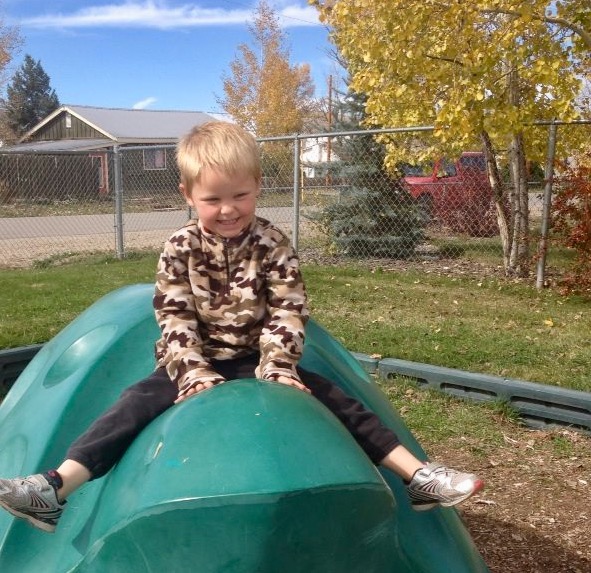
About two months before the marriage was to take place, my future grandson, Connor who was three at the time, stated, “When Dad marries Leslie, she will be my mom.” I smiled and nodded in agreement while scanning his perfect little face.

“And when Dad marries Leslie, you will be my Honey.” My heart melted as it always did when he called me by my gramma name.

“I will,” I replied as he snuggled into my lap.

“Honey?” he questioned, “I don’t want to wait to get married.! Let’s do it now!”

Connor

As my heart filled with overwhelming love for my grandson, I agreed. “Okay. Connor, Let’s get married. I promise to love you forever and ever and always be your Honey.”

Excited, my little man shouted, “Me too!” And with that he gave me a hug, jumped from my lap, and went running through the house while telling everyone in his path, “We did it! Me and Honey got married.”

Yep! Sweetest proposal ever, and after all these years, I am still one proud grandma who loves my Connor to the moon and back. Guess, this Grammie did find one loving little prince and one very special and magical “happily ever after.”