
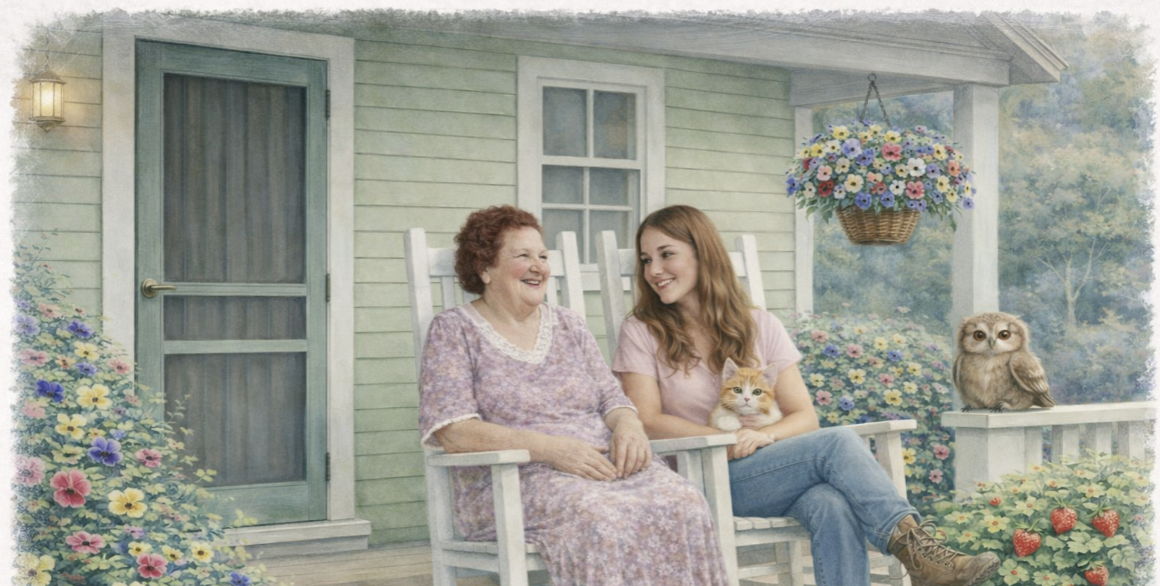
 At one time or another, just about everyone in this country has been touched by a magical Disney moment. Walter Elias Disney started with a dream and turned it into a wondrous reality. Although he had some harsh setbacks, he never gave up on fulfilling these ideals, and today, his name is a household word, not only in this country but also around the world. Continue reading “And to Think, it all Started with a Mouse!”
Author: Ann Marie Bryant
As of late, I am a sixty-something grandmother who loves to write. Since I come from a long line of storytellers, I believe it's time to share those stories and preserve our family history. My hope is that my family will treasure these memories as much as I do!
Mary Buzzard Hupp: Colonial Wife and Mother
 To date, the oldest member I have discovered in my family tree would be my 4x great grandmother, Mary Buzzard. This grandmother lived for 96 years, and she died just 17 days before her 97th birthday. Continue reading “Mary Buzzard Hupp: Colonial Wife and Mother”
A Father’s Love
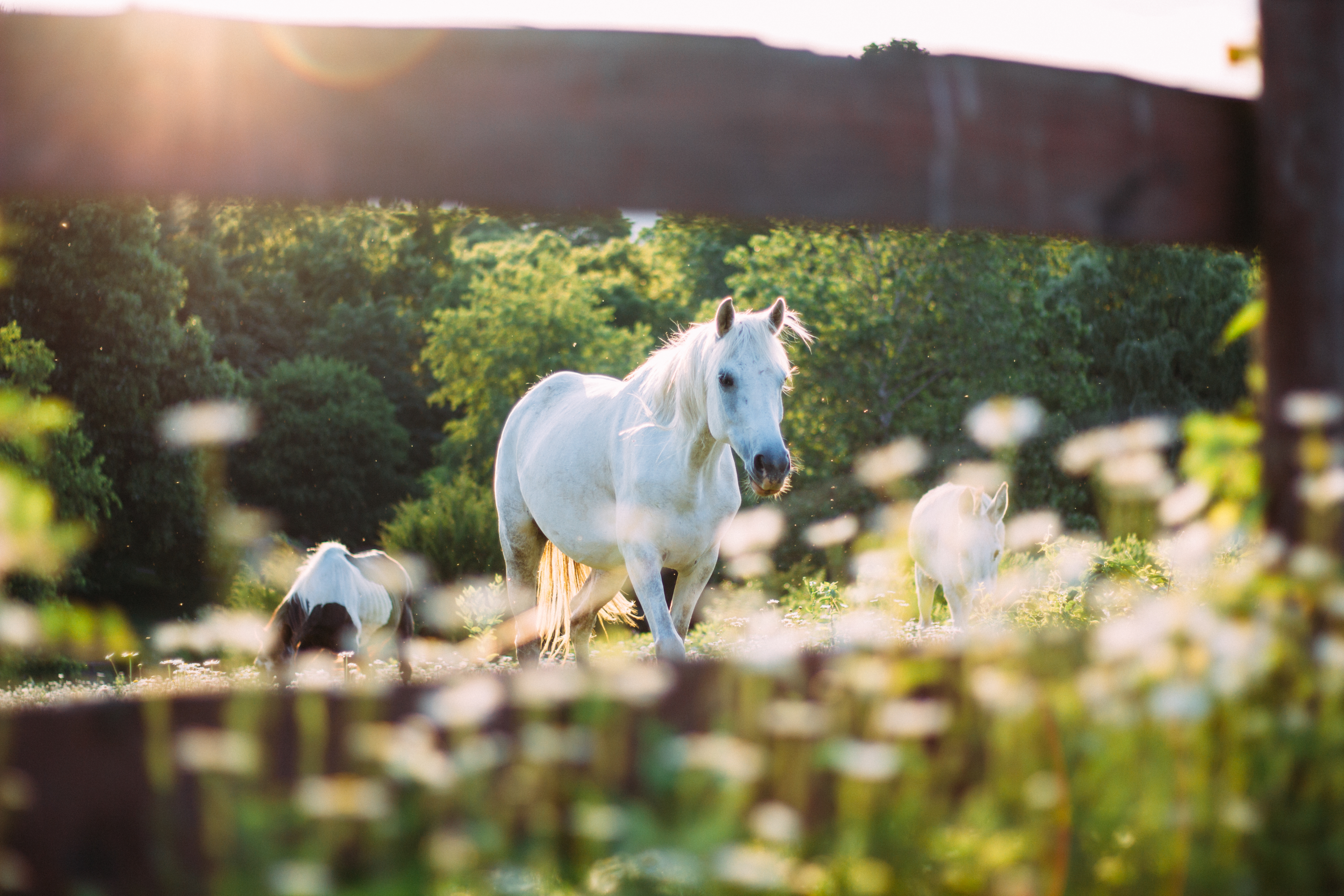
From her open window, Jill took in the scene before her as she viewed the barn and surrounding land. In the corral, her Appaloosa mare, Shawnee, gently nickered at her foal, and in the pasture, her father’s prized quarter horse, Winchester, raced across the green meadow, kicking up his heels. In the distance, soft clouds billowed along the peaks, and overhead, a red-tail hawk soared, drifting gracefully on gentle breezes. The young woman closed her eyes for a moment as the familiar heartache ripped through body and tugged at her very soul. Three months had passed and still no word. Her father’s plane had simply disappeared without a trace in the San Juan Mountain Range. And this day had arrived all too quickly. Now, she had her doubts about the upcoming ceremony. What was she thinking?
Continue reading “A Father’s Love”Sweet Sounds
Tie a yellow ribbon round the ole oak tree….
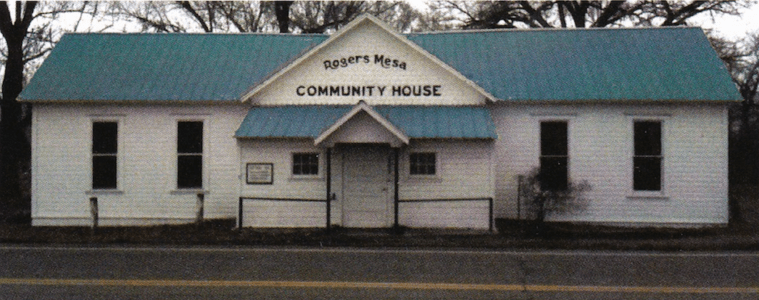
Music drifted out through the open front door of my grandparents’ cheerful little cottage. “Tie a Yellow Ribbon ’Round the Ole Oak Tree” floated across the yard, and I smiled the moment I heard it. It was one of Grandma’s favorite songs. Ever since Tony Orlando and Dawn began appearing on television each week, she rarely missed their show. I was certain she counted herself among their most devoted fans.
When I stayed with my grandparents, evenings often settled into a gentle rhythm of television, music, and togetherness. After supper, the house would grow quiet and cozy as Grandma took her place in her chair and Grandpa settled in nearby, ready for the familiar programs they loved. They faithfully watched Hee Haw, the Grand Ole Opry, and The Lawrence Welk Show. Grandma especially loved the music and dancing. Her face would brighten when a favorite song began, and she seemed to carry the tune right into her smile. Grandpa enjoyed the humor just as much as the music, chuckling at the corny jokes, one-liners, and silly skits that were part of those shows. Looking back, those evenings seemed wrapped in warmth—the soft lamplight, the hum of the television; the comfort of being together in that small cottage filled with love. How I wish I could step back into one of those nights, if only for an hour, and sit with them once more, listening to the music and feeling the safety of their presence.
Country music also filled the rooms of my own childhood home. Songs by Hank Williams, Charley Pride, Patsy Cline, Loretta Lynn, George Jones, and Glen Campbell, often played on the stereo in the living room. We grew up with those voices. Their songs drifted through our days as naturally as conversation—playing while chores were done, floating through open windows on warm afternoons, and setting the mood for family gatherings and long car rides. Country music was never just background noise in our house. It was part of the texture of daily life, woven into our routines and memories so completely that I cannot think of my childhood without hearing a song somewhere in the distance.
When I look back on family stories, music is almost always there, underscoring the moment like a soundtrack. It gave shape to ordinary days and marked special ones. A certain melody can still carry me back in an instant—to a kitchen, a living room, a summer evening, or a holiday gathering. Music has always held an important place in my family. It connected one generation to the next through shared favorites, familiar voices, and songs everyone seemed to know by heart.
Grandma and Mama often talked about the community dances in Hotchkiss, Colorado, and I loved listening to those stories. In my mind, I could almost see the scene unfold: neighbors arriving at a crowded hall with cake plates balanced in their hands and jars of lemonade to share, laughter spilling through the room before the music even began. Someone would start playing, another would join in, and before long, the whole place would come alive. Couples twirled across the floor, boots shuffled in time, skirts swayed, and the room pulsed with music and motion. Grandpa would sometimes call for square dances, his voice ringing out over the laughter and fiddle music, guiding the dancers as they do-si-do’d and swung their partners beneath the bright lights. From the stories I heard, many members of the Allen family played instruments, and most of them learned by ear. They didn’t need sheet music. The songs lived inside them, ready to be called out by memory and feeling.
Music, in those stories, was never merely entertainment. It was a gathering place, a language, a thread that stitched family and community together. It carried joy, eased loneliness, and gave people a way to celebrate both the ordinary and the meaningful moments of life. Even now, those songs and stories linger. They remind me that long before memories are written down, they are often first carried in melody—passed from one heart to another in a tune, everyone remembers.
Le What?
À vaillant coeur rien d’impossible. -Jacques Cœur

One family name that I have often found spelled in different ways is the La Duke surname. To date, I have discovered Le Duc, La Duc, and, of course, La Duke. Even the capitalization was sometimes different too, for I have also uncovered Le duc, La duc, and La duke. And sometimes the names did not contain any spaces at all; the names were spelled Leduc, Laduc, Laduke, and La Decue. Continue reading “Le What?”
Favorite Family Photos
I love this week’s challenge of a favorite photo. Still, I will not be able to limit myself to just one. Every once in awhile, I am going to have to just add pictures and include their stories.
My Crazy Kids
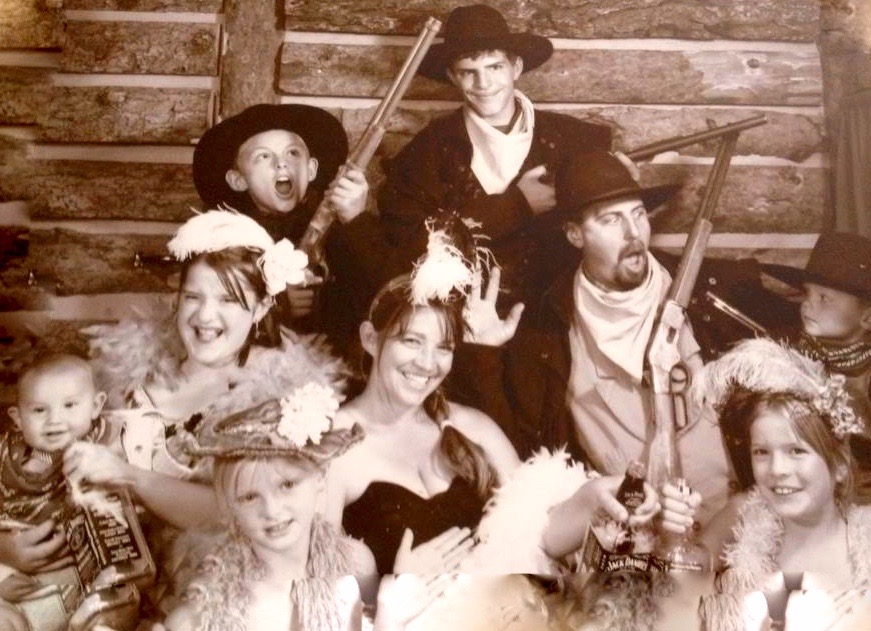
This photo of my daughter, Leslie and her husband Aaron, along with all the grand babies will always be one of my favorite photos. It was taken during Pioneer Day Weekend, September 2013 in Florence, Colorado. A family friend, Phyllis Ibarra, took this old fashioned picture. This picture always makes me smile, for I love all the different scenes going on within this one shot and how Phyllis captured each one. Continue reading “Favorite Family Photos”

Home was an Island
Home Was an Island
My Alameda home was an island cradled in the heart of the San Francisco Bay. Early mornings arrived wrapped in mist, with dew-drenched lawns glistening under a shrouded sun. Foghorns called to early risers, their deep voices echoing across the water. Seagulls swooped low along the sandy shore, their cries sharp and restless. The Painted Ladies—the grand Victorian homes—stood in delicate silhouette, their ornate facades veiled in shifting shadows, waiting for the morning’s first light to part the clouds and unveil their regal splendor.
As the sun ascended, golden light spilled across rooftops, chasing away the last remnants of fog. The island stretched from her slumber, stirring to life in the familiar rhythm of a new day. Streets buzzed with commuters, eager to escape before the morning rush turned escape into entrapment. Webster Street swelled with the flow of cars, only to bottleneck at the Posey Tube, where brake lights flickered in frustration. Here and there, a horn sounded—a small protest against the island’s slow-moving exodus.
Children, oblivious to the urgency of grown-ups, ambled toward school, laughter spilling into the crisp air. They called out to friends, made plans for recess, and eagerly claimed dibs on the red rubber balls that bounced and smacked hard against the asphalt. Hopscotch squares waited to be leaped upon. Jump ropes twirled in double-dutch rhythms. Four square battles began with quick feet and faster hands, all while the sea whispered just beyond the playground fence.
Classrooms perched too close to the water’s edge, tempting young scholars into daydreams. Eyes drifted from textbooks to distant sailboats, their sails skimming across the horizon. The scent of salty air slipped through open windows, mingling with the scratch of pencils and the hum of restless minds. Afternoon bells signaled the countdown to freedom. Tick. Tick. Tick. Until at last, the doors burst open, and children poured into the streets, running toward the adventures that awaited them beyond the schoolyard.
They raced home along tree-lined avenues, where oaks, pines, and palms stood as silent sentinels to their childhood. Home, then play. But where? Sandy beaches and tide pools at Crab Cove? The grassy fields of Woodstock or Longfellow Park? Daisy chains and whispered secrets, or a game of baseball with the boys? The possibilities stretched as wide as the bay itself—at least until Dad came home, dinner was served, and dishes were washed under the warm glow of the kitchen light.
Evening arrived with the hush of twilight, and the island settled into its nightly rhythm. Across the bay, city lights twinkled like fallen stars, their reflections dancing on the darkened water. High in the Oakland Hills, the temple stood like a beacon, its soft light reaching toward the heavens. The murmur of television sets blended with the distant hum of cars along Pacific Avenue, their sounds weaving a quiet lullaby through the avenues.
And as the music of the island played on, tired children, worn from the joys of an afternoon well spent, drifted into dreams—dreams of another day, another adventure, another sunrise over the misty shores of home.


Marie Anne Lagou: A New Life in New France

About 1652, my ninth grandmother, Marie Anne Lagou was born to Pierre Lagou and Marie Boiscochin in the parish of Saint-Etienne in Le Mans, Maine. At the age of 18, after her father’s death, she left her home and sailed to New France under the sponsorship of King Louis XIV of France. Later, she would become known as a filles du roi, or a King’s Daughter. She left France to marry and settle in the wilderness in the New World that France longed to develop. My grandmother arrived in Quebec in 1670 with a dowry of 200 livres. Continue reading “Marie Anne Lagou: A New Life in New France”
Mama, Dustin Hoffman and a Little Karma

Paden Elementary School – Alameda, CA

Chipman Middle School – Alameda, CA

Encinal High School – Alameda, CA
When I was younger, I would often laugh at my mom when she would call someone by the wrong name, or when she would totally screw up the ordinary day-to-day information. One morning, this mother of five was desperately trying to wrangle her chicks, and get them out the door, so they would arrive at school on time. A couple of us had bouts of the flu, so she was writing “the please excuse notes” so that we could re-enter the realms of academia. The tired and overworked mother looked at me and demanded, “Is it 1956 or 1957?” The confused looked on my face triggered another tirade of words. “I know what you’re thinking, but I am tired, so is it ’56 or ’57?” Continue reading “Mama, Dustin Hoffman and a Little Karma”
A Bucket List
 At my age, I have started to think a lot about a bucket list. In all honesty, it all started a couple of years ago when I was teaching eighth grade. I had this young student who was an old soul. One day we were discussing Orson Well’s Animal Farm when out of left field, he asks, “How does it feel to know that your life is half over?” Continue reading “A Bucket List”
 Tales of a Family